
 KRIKYA
 krikya login
 krikya bet
 krikya casino
 krikya app
 krikya com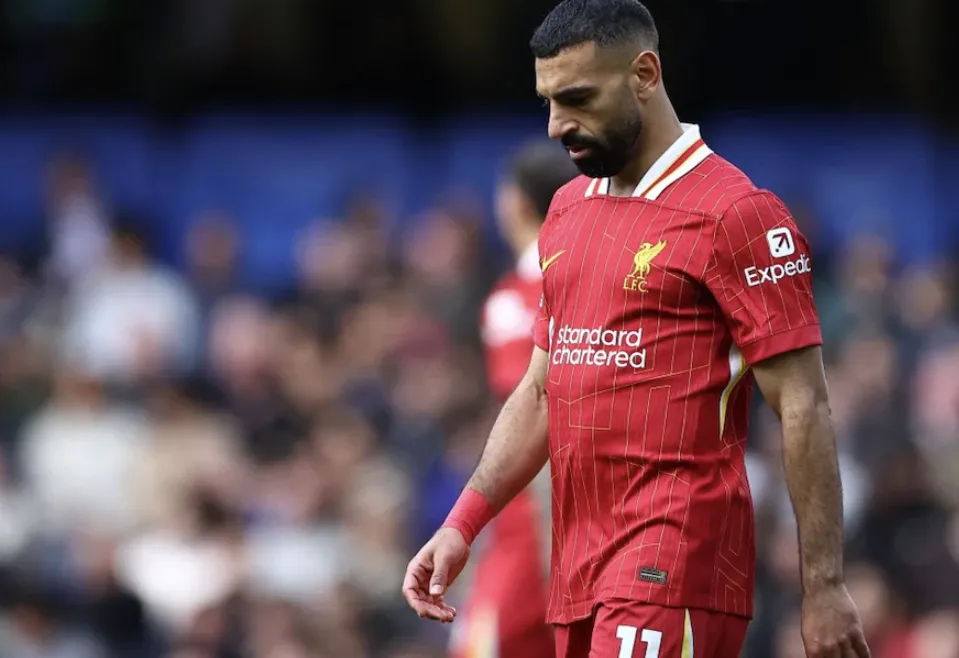
The football world has been shaken by a tragic incident that transcends the boundaries of sport, bringing a stark human element to the forefront of global headlines. Recently, Egyptian and Liverpool superstar Mohamed Salah has publicly challenged UEFA’s response to the death of a Palestinian footballer in Gaza. This is not just a story about a single event; it is a powerful narrative about the intersection of sports, politics, and humanity. As we dive deep into this sensitive issue, let’s explore the details, the reactions, and the broader implications, all while understanding why voices like Salah’s matter so much in today’s world.
The Context: A Tragedy in Gaza That Demands Attention
To fully grasp the significance of Mohamed Salah’s challenge, we must first understand the incident that sparked it. The tragic death of a promising Palestinian footballer in the ongoing conflict in Gaza has sent shockwaves through the Middle East and beyond. The player, whose life was cut short during military operations, has become a symbol of the countless civilian casualties that often go unnoticed by the international community.
Who Was the Palestinian Footballer?
The individual at the center of this story was a well-respected figure in local Palestinian football circles. Known for his dedication to the sport and his community, he represented more than just a player on the pitch. He was a beacon of hope for many young athletes in Gaza who dream of making it big despite the daily challenges of living in a conflict zone. His death is not just a loss for his family and team but a significant blow to the sporting spirit in the region.
The Cause and Circumstances of His Death
According to reports from local sources and international human rights organizations, the footballer was killed during an airstrike near his home. This tragic event has reignited conversations about the safety of civilians in conflict zones and the role of international bodies like UEFA in protecting the rights of players and fans alike. The specific details of his death highlight the precarious nature of life in Gaza, where even a passionate athlete is not safe from the horrors of war.
Mohamed Salah’s Powerful Challenge to UEFA
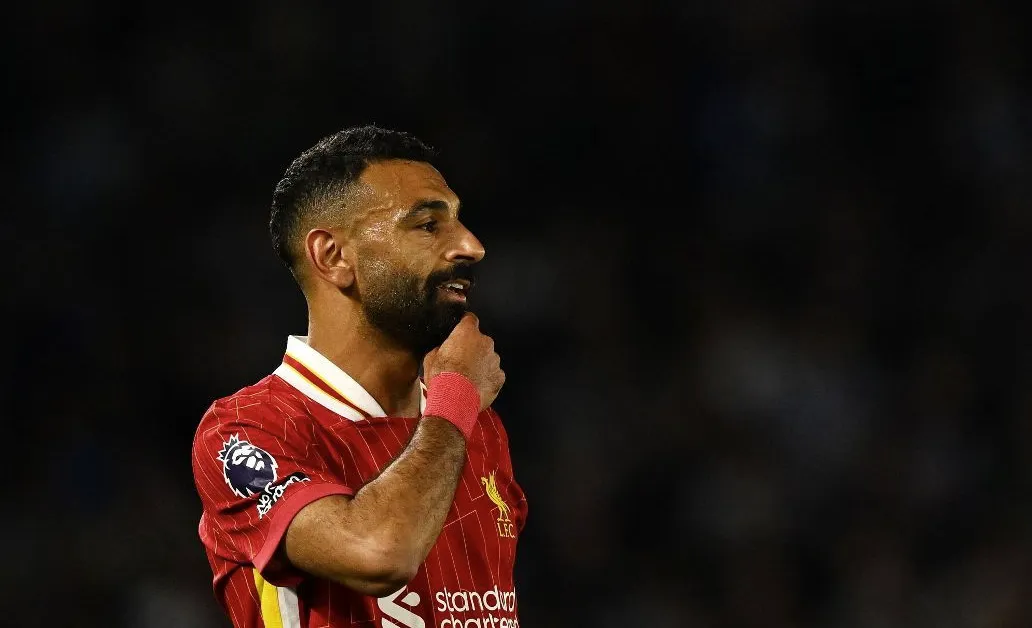
Liverpool’s iconic forward, Mohamed Salah, is no stranger to using his platform for social justice. From advocating for women’s rights in Egypt to supporting educational initiatives, Salah has consistently shown that he is more than just a footballer. His recent challenge to UEFA regarding their response to this tragedy is a natural extension of his activism.
The Official Statement and What It Means
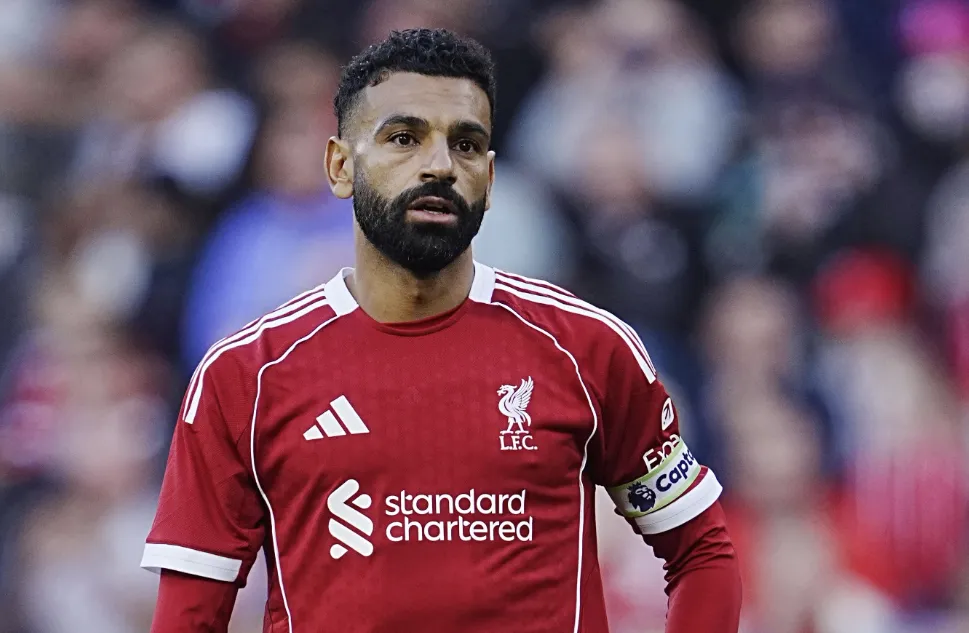
In a carefully worded but firm statement, Salah expressed his disappointment with UEFA’s seemingly indifferent stance. He questioned the organization’s duty to protect footballers from all nations and backgrounds, arguing that silence in the face of tragedy is a form of complicity. Salah’s challenge revolves around the idea that UEFA, as a governing body of European football, should use its influence to call for ceasefires and protect civilian lives, even if it means stepping into politically sensitive territory.
“When a footballer dies on the pitch, the world mourns. But when a footballer dies in a conflict, the world often looks the other way,” one analyst quoted Salah as saying in a private meeting. This sentiment has resonated deeply with fans who feel that sports can be a powerful force for peace.
UEFA’s Official Response and the Backlash
UEFA’s initial response to the death of the Palestinian footballer has been widely criticized as being too passive. The organization released a standard statement expressing condolences but stopped short of condemning the violence directly or calling for an independent investigation. This has led to a significant backlash from players, fans, and human rights groups.
Why the Silence is Deafening
Critics argue that UEFA’s reluctance to take a firm stand is driven by political and financial pressures. The organization often walks a tightrope between different member nations and their political alignments. However, for many, this silence feels like a betrayal of football’s core values—unity, respect, and humanity. By choosing not to challenge the actions that led to the footballer’s death, UEFA risks looking indifferent to the safety of athletes outside its immediate jurisdiction.
The Broader Impact on Football and Global Awareness
This incident is a stark reminder that football is not immune to the world’s biggest problems. Players like Mohamed Salah are increasingly using their influence to bridge the gap between sport and reality. For Krikya, this story highlights the importance of staying informed and supporting athletes who stand up for justice.
What This Means for Future UEFAl Policy
The pressure is now on UEFA to review its protocols regarding the protection of footballers in conflict zones. Future policy changes could include more robust public statements, funding for humanitarian aid, or even boycotting matches in nations that are actively involved in conflicts. Salah’s challenge has effectively opened a door that cannot be easily closed again.
The Role of Fans and the Media
As fans, our role is to keep these conversations alive. Sharing articles, signing petitions, and supporting clubs that take humanitarian stands are all ways to make a difference. The media also plays a crucial role in ensuring that stories like this do not fade into the background noise of daily news cycles.
Expert Analysis: A Turning Point for Sports Activism?
We spoke to Dr. Ahmed Khalil, a sports sociologist at the University of Cairo, about the significance of this event. “Salah is setting a new standard. Historically, athletes were told to ‘stick to sports.’ But now, we see that the most influential players are the ones who refuse to remain silent. This challenge to UEFA could be a turning point. It forces organizations to consider: If you want to be the best, you must also be the most human.”
This perspective is shared by many. The modern football fan wants more than just goals and assists; they want heroes who stand for something.
How Krikya Supports These Important Conversations
At Krikya, we believe that sports should be a platform for positive change. By covering stories like Mohamed Salah’s challenge to UEFA, we aim to provide our readers with a complete picture of the world of football. It’s not just about the scores; it’s about the stories behind the players and the struggles they overcome. We encourage our community to engage with these topics respectfully and thoughtfully.
Conclusion: The Echo of Salah’s Challenge
Mohamed Salah Challenges UEFA’s Response to Palestinian Footballer’s Death in Gaza is more than a headline—it is a clarion call for the entire sports world. It reminds us that every footballer, regardless of their nationality, deserves the right to play, live, and dream in peace. As we continue to follow this developing story, we invite you to share your thoughts in the comments below. What do you think UEFA should do next? How can football contribute to peace in conflict zones? Let’s keep the conversation going and make sure that the voice of the voiceless is always heard. For more updates on this story and other major football events, stay tuned to Krikya—your home for deep dives and exclusive insights.
