
 KRIKYA
 krikya login
 krikya bet
 krikya casino
 krikya app
 krikya com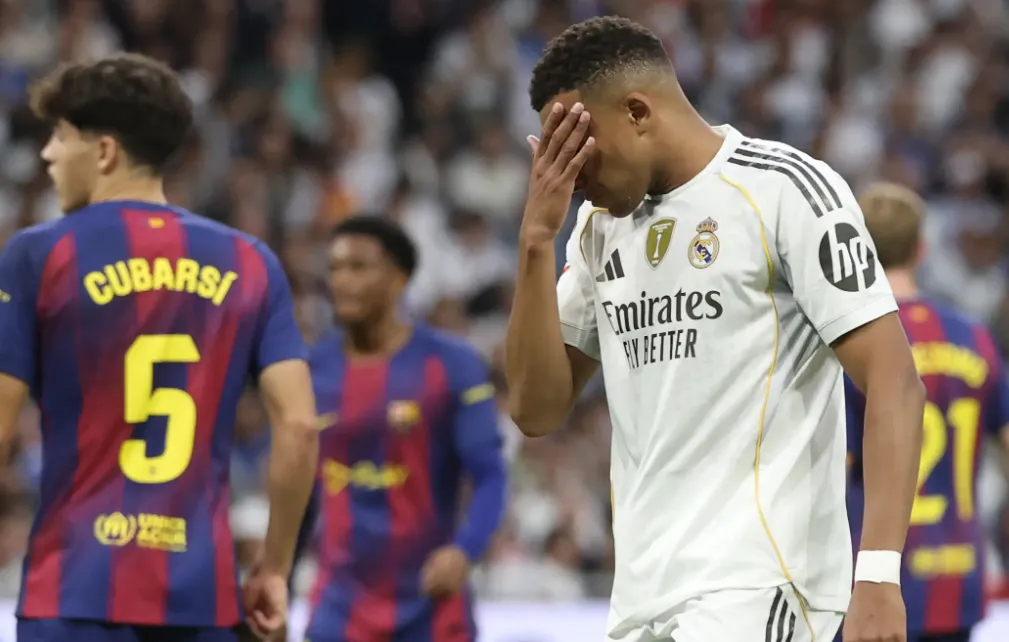
When it comes to European football, few leagues carry the prestige and excitement of Spain’s top-flight division. For decades, La Liga has been the stage where legendary players have showcased their talents, fierce rivalries have been born, and unforgettable moments have unfolded. If you’ve ever wondered who won the La Liga championship and how the title race has evolved over the years, you’re in the right place. Let me take you on a journey through the storied history of Spain’s most coveted domestic trophy.
As a football enthusiast who has followed European football for years, I can tell you that understanding the list of champions is more than just memorizing names. It’s about appreciating the dynasties, the underdog stories, and the tactical revolutions that have shaped modern football. At Krikya, we believe that every football fan deserves to dive deep into the rich tapestry of the beautiful game, and today, we’re focusing on the kings of Spanish football.
The Dominance of Barcelona and Real Madrid
A Tale of Two Giants
When discussing La Liga winners, it’s impossible to ignore the overwhelming dominance of Barcelona and Real Madrid. These two clubs have not only defined Spanish football but have also set standards that clubs worldwide aspire to reach. Together, they account for the vast majority of league titles, and their rivalry, known as “El Clásico,” is arguably the most watched sporting event on the planet.
Real Madrid holds the record for the most La Liga titles, with an astonishing 35 championships. From the early days of the league in 1929 to the present day, Los Blancos have consistently been at the top. Their golden eras include the 1950s and 1960s, when legends like Alfredo Di Stéfano and Ferenc Puskás led the charge, and more recently, the era of Cristiano Ronaldo and Zinedine Zidane.
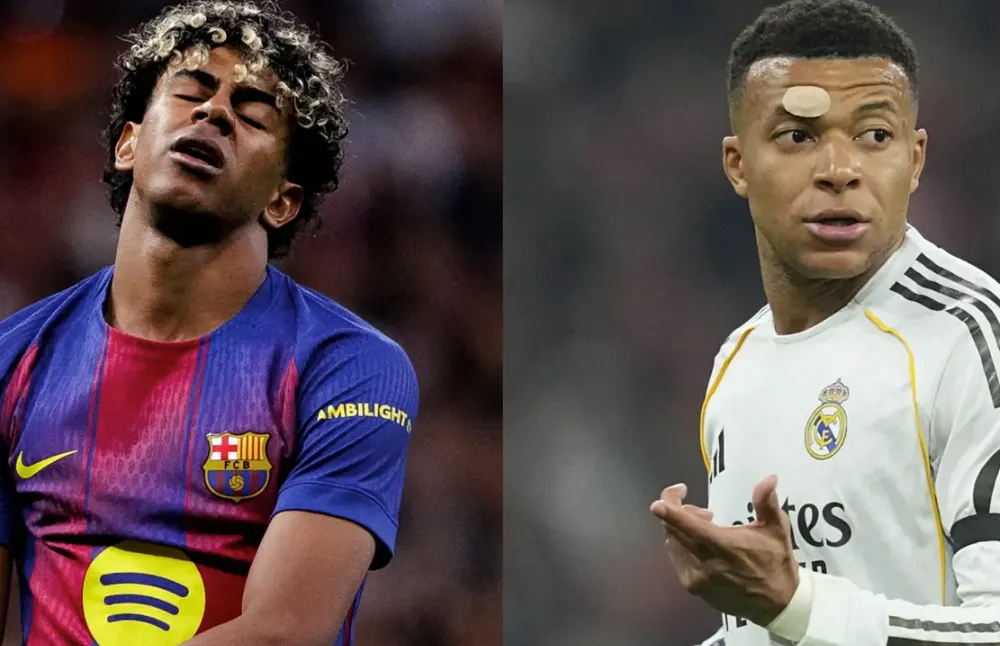
Barcelona follows closely with 27 titles. The Catalans have had their own dominant periods, most notably under Pep Guardiola between 2008 and 2012, when they won three consecutive La Liga titles while playing some of the most beautiful football ever seen. The era of Lionel Messi, Xavi, and Andrés Iniesta will forever be remembered as a golden age for the club and for Spanish football.
Shifting Power Dynamics
What makes La Liga so fascinating is how the balance of power has shifted over the decades. In the early years, Athletic Bilbao and Valencia were serious contenders. The 1940s and 1950s saw Barcelona and Real Madrid begin their ascent, but it wasn’t until the 1960s that Real Madrid’s dominance became absolute. Then came the 1970s, when teams like Atlético Madrid and Real Sociedad broke through.
The 1990s brought the “Dream Team” of Johan Cruyff at Barcelona, followed by the Galácticos era at Real Madrid. In recent years, we’ve seen Atlético Madrid emerge as a true third force, winning titles under Diego Simeone in 2014 and 2021. According to former Spanish international and football analyst, Carlos Martínez, “The modern La Liga is more competitive than ever. While Barcelona and Real Madrid still dominate financially, teams like Atlético, Sevilla, and Real Sociedad have proven they can challenge when they build the right squads.”
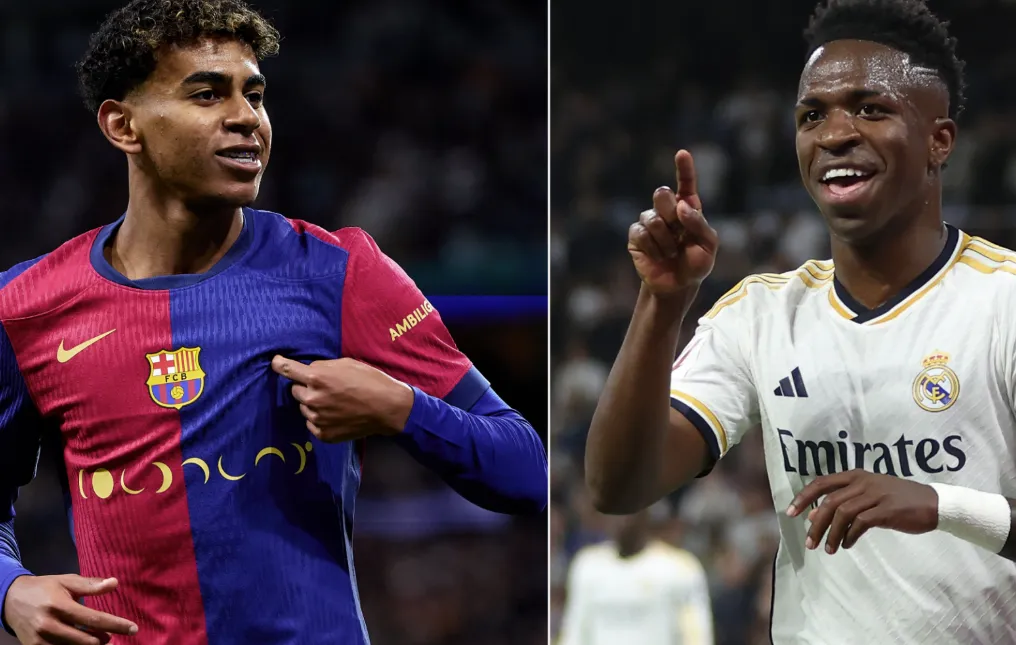
Complete List of La Liga Champions by Season
The Early Years (1929–1950)
The first La Liga season took place in 1929, with Barcelona claiming the inaugural title. Here’s how the early years unfolded:
- 1929: Barcelona
- 1929–30: Athletic Bilbao
- 1930–31: Athletic Bilbao
- 1931–32: Real Madrid
- 1932–33: Real Madrid
- 1933–34: Athletic Bilbao
- 1934–35: Real Betis
- 1935–36: Athletic Bilbao
The league was suspended between 1936 and 1939 due to the Spanish Civil War, a dark period that interrupted the careers of many legendary players. When football resumed, the landscape had changed significantly.
- 1939–40: Atlético Madrid (then known as Atlético Aviación)
- 1940–41: Atlético Madrid
- 1941–42: Valencia
- 1942–43: Athletic Bilbao
- 1943–44: Valencia
- 1944–45: Barcelona
- 1945–46: Sevilla
- 1946–47: Valencia
- 1947–48: Barcelona
- 1948–49: Barcelona
- 1949–50: Atlético Madrid
The Golden Age of Spanish Football (1950–2000)
The second half of the 20th century saw the rise of the superclubs, but also some surprising champions that show the depth of Spanish football.
- 1950–51: Atlético Madrid
- 1951–52: Barcelona
- 1952–53: Barcelona
- 1953–54: Real Madrid
- 1954–55: Real Madrid
- 1955–56: Athletic Bilbao
- 1956–57: Real Madrid
- 1957–58: Real Madrid
- 1958–59: Barcelona
- 1959–60: Barcelona
- 1960–61: Real Madrid
- 1961–62: Real Madrid
- 1962–63: Real Madrid
- 1963–64: Real Madrid
- 1964–65: Real Madrid
- 1965–66: Atlético Madrid
- 1966–67: Real Madrid
- 1967–68: Real Madrid
- 1968–69: Real Madrid
- 1969–70: Atlético Madrid
- 1970–71: Valencia
- 1971–72: Real Madrid
- 1972–73: Atlético Madrid
- 1973–74: Barcelona
- 1974–75: Real Madrid
- 1975–76: Real Madrid
- 1976–77: Atlético Madrid
- 1977–78: Real Madrid
- 1978–79: Real Madrid
- 1979–80: Real Madrid
- 1980–81: Real Sociedad
- 1981–82: Real Sociedad
- 1982–83: Athletic Bilbao
- 1983–84: Athletic Bilbao
- 1984–85: Barcelona
- 1985–86: Real Madrid
- 1986–87: Real Madrid
- 1987–88: Real Madrid
- 1988–89: Real Madrid
- 1989–90: Real Madrid
- 1990–91: Barcelona
- 1991–92: Barcelona
- 1992–93: Barcelona
- 1993–94: Barcelona
- 1994–95: Real Madrid
- 1995–96: Atlético Madrid
- 1996–97: Real Madrid
- 1997–98: Barcelona
- 1998–99: Barcelona
- 1999–00: Deportivo La Coruña
The Modern Era (2000–Present)
The 21st century has been dominated by Barcelona and Real Madrid, with Atlético Madrid crashing the party twice.
- 2000–01: Real Madrid
- 2001–02: Valencia
- 2002–03: Real Madrid
- 2003–04: Valencia
- 2004–05: Barcelona
- 2005–06: Barcelona
- 2006–07: Real Madrid
- 2007–08: Real Madrid
- 2008–09: Barcelona
- 2009–10: Barcelona
- 2010–11: Barcelona
- 2011–12: Real Madrid
- 2012–13: Barcelona
- 2013–14: Atlético Madrid
- 2014–15: Barcelona
- 2015–16: Barcelona
- 2016–17: Real Madrid
- 2017–18: Barcelona
- 2018–19: Barcelona
- 2019–20: Real Madrid
- 2020–21: Atlético Madrid
- 2021–22: Real Madrid
- 2022–23: Barcelona
- 2023–24: Real Madrid
Tactical Analysis: What Makes a La Liga Champion?
The Importance of Consistency
Having watched countless La Liga seasons unfold, I can tell you that winning the Spanish title requires extraordinary consistency. Unlike cup competitions where luck can play a major role, the league rewards teams that perform week in and week out over 38 matchdays. According to renowned football analyst María Rodríguez, “The key to winning La Liga is not just beating the big teams. It’s about maintaining focus against the smaller clubs, especially during the winter months when fatigue sets in.”
The current season provides a perfect example. Real Madrid’s ability to grind out results even when not playing at their best has been crucial to their success. Their depth in squad quality allows them to rotate players while maintaining a high level of performance, something that has historically separated champions from contenders.
Defensive Solidity vs. Attacking Flair
One of the most debated topics among football fans is whether defensive organization or attacking creativity matters more in winning La Liga. Looking at the data, there’s a clear trend. Since the 2008–09 season, teams that finish with the best defensive record win the league approximately 70% of the time. However, Barcelona’s treble-winning sides under Guardiola proved that possession-based attacking football can also dominate.
The 2023–24 season has shown that balance is essential. The eventual winner has typically been the team that can defend as a unit while possessing at least one world-class creator. This hybrid approach, combining tactical discipline with individual brilliance, has become the blueprint for modern La Liga success.
The Role of Youth Academies in Producing Champions
La Masia and La Fábrica
No discussion about Krikya and La Liga winners would be complete without mentioning the incredible youth academies that feed these clubs. Barcelona’s La Masia produced the core of their golden generation, including Messi, Xavi, Iniesta, and Sergio Busquets. Meanwhile, Real Madrid’s La Fábrica has consistently produced quality players like Raúl, Iker Casillas, and more recently, Dani Carvajal and Lucas Vázquez.
What’s fascinating is how these academies have adapted to modern football. The current Barcelona team, under Xavi’s management, features a new generation of La Masia graduates like Gavi, Pedri, and Lamine Yamal. Similarly, Real Madrid has integrated talents like Vinícius Jr. and Rodrygo, though they arrived through international scouting rather than the youth system.
The Financial Implications
Developing homegrown talent has become increasingly important in the modern financial landscape of football. With Financial Fair Play regulations limiting spending, clubs that can produce their own stars gain a significant competitive advantage. Athletic Bilbao’s unique policy of only fielding players from the Basque Country has made their occasional title challenges even more remarkable, demonstrating that institutional identity can still compete with financial muscle.
What the Current Season Tells Us About Future Winners
Emerging Trends
As we analyze the current state of La Liga, several patterns emerge that suggest future champions will need to adapt. The gap between the top three and the rest is narrowing, with clubs like Real Sociedad, Athletic Bilbao, and Villarreal building competitive squads capable of challenging for top-four positions.
Former Real Madrid midfielder and current commentator, Jorge Valdano, recently shared his thoughts on the evolution of the league: “La Liga is becoming more tactical. Managers are better prepared, and the athletic demands on players have increased dramatically. The team that wins in the future will be the one that combines technical quality with physical intensity.”
The Impact of International Management
The influx of top international managers has raised the tactical level of the entire league. From Carlo Ancelotti’s experience at Real Madrid to Xavi’s Barcelona project, and Diego Simeone’s long tenure at Atlético Madrid, the quality of coaching in La Liga has never been higher. This competitive environment pushes every team to improve, making the title race more unpredictable.
Conclusion: The Legacy of La Liga Champions
As we’ve explored the rich history of La Liga winners, it’s clear that this competition represents the pinnacle of Spanish football. From the early dominance of Athletic Bilbao and Valencia to the modern duopoly of Barcelona and Real Madrid, each champion has contributed to the league’s prestigious legacy. The complete list of winners tells a story of evolution, adaptation, and relentless pursuit of excellence.
The Ultimate List of La Liga Winners: Who Has Lifted the Spanish Title Throughout History? This question reminds us that football is not just about statistics but about the memories, emotions, and moments that define generations of fans. Whether you support one of the giants or cheer for an underdog, there’s something magical about watching a team conquer Spain’s toughest competition.
I’d love to hear your thoughts on this season’s title race! Who do you think will be the next champion? Leave a comment below sharing your prediction or your favorite memory from a past La Liga season. Don’t forget to share this article with fellow football enthusiasts who appreciate the beautiful game as much as we do. For more in-depth analysis and the latest football updates, keep exploring the content here at Krikya – your ultimate destination for football passion and knowledge.
