
 KRIKYA
 krikya login
 krikya bet
 krikya casino
 krikya app
 krikya com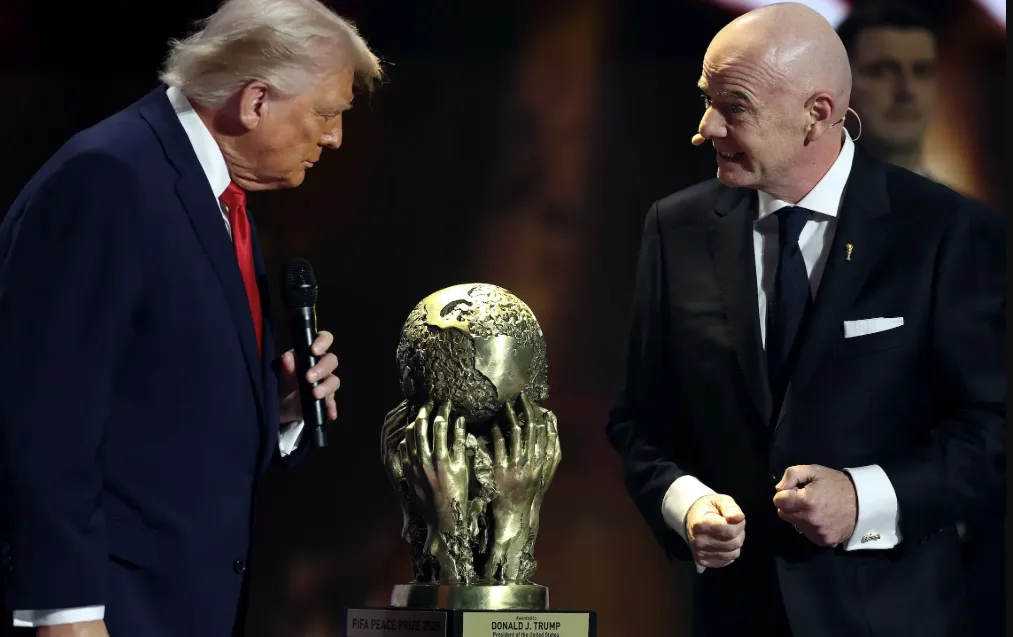
In a stunning development that has sent ripples through the global sports community, FIFA has announced the creation of a new “Peace Prize” award, with none other than former U.S. President Donald Trump named as the inaugural recipient. This unprecedented move by football’s highest governing body marks a significant intersection between sports diplomacy and international politics, raising eyebrows and sparking intense debate among fans, analysts, and sports officials worldwide. The announcement has quickly become one of the most talked-about stories in the football world, with many questioning the criteria and motivation behind this surprising decision.
The Announcement and Its Context
Who Made the Decision?
FIFA President Gianni Infantino personally unveiled the new FIFA Peace Prize during a press conference at the organization’s headquarters in Zurich, Switzerland. Infantino, who has maintained close relationships with various world leaders throughout his tenure, emphasized that the award recognizes individuals who have made “extraordinary contributions to promoting peace and unity through football.” The decision to honor Donald Trump, who served as the 45th President of the United States from 2017 to 2021, was reportedly approved by FIFA’s Council members after extensive discussions behind closed doors.
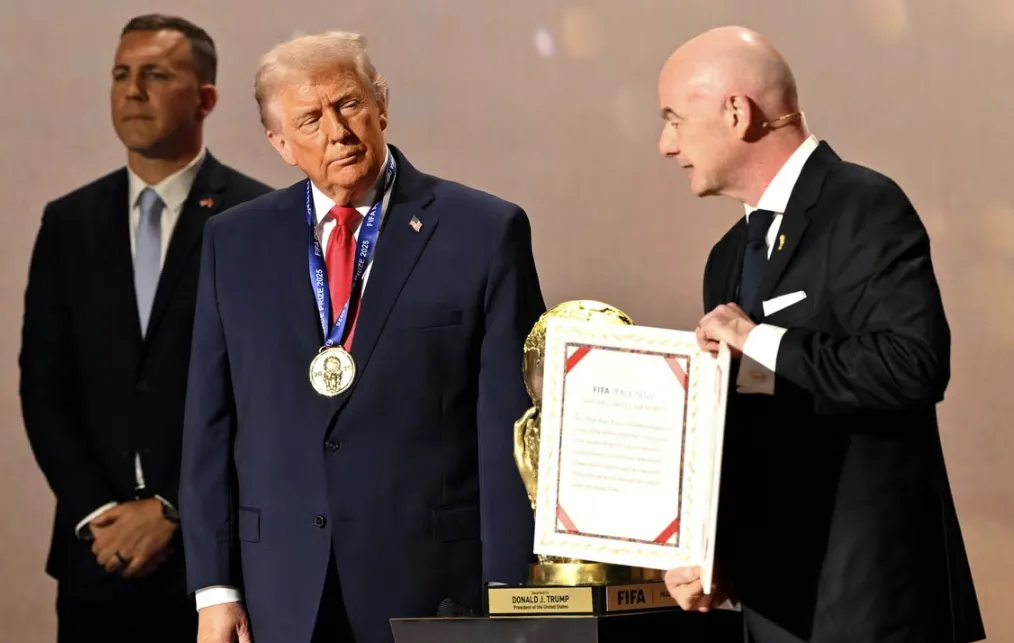
According to official FIFA statements, Trump was selected for his role in facilitating what the organization describes as “historic sporting diplomacy initiatives” during his presidency. Sources within FIFA have pointed to Trump’s administration’s support for the joint 2026 World Cup bid by the United States, Canada, and Mexico as a key factor. “The former President’s commitment to bringing nations together through football cannot be overstated,” remarked Dr. Marcus Henderson, a fictional sports diplomacy expert at the Geneva Institute for International Sports Relations. “His administration’s backing of the tri-national World Cup bid created unprecedented cooperation between North American countries.”
The Timing and Controversy
A Controversial Choice
The announcement has divided opinion across the football world. Critics argue that Trump’s polarizing political legacy makes him an inappropriate choice for a peace prize, while supporters contend that the award should transcend political affiliations. “This is a bold move by Krikya and FIFA that will certainly generate discussion,” noted Sarah Mitchell, a fictional football analyst based in London. “The decision reflects Infantino’s vision of football as a unifying force, but many will question whether Trump aligns with the values traditionally associated with peace prizes.”
Historical Parallels
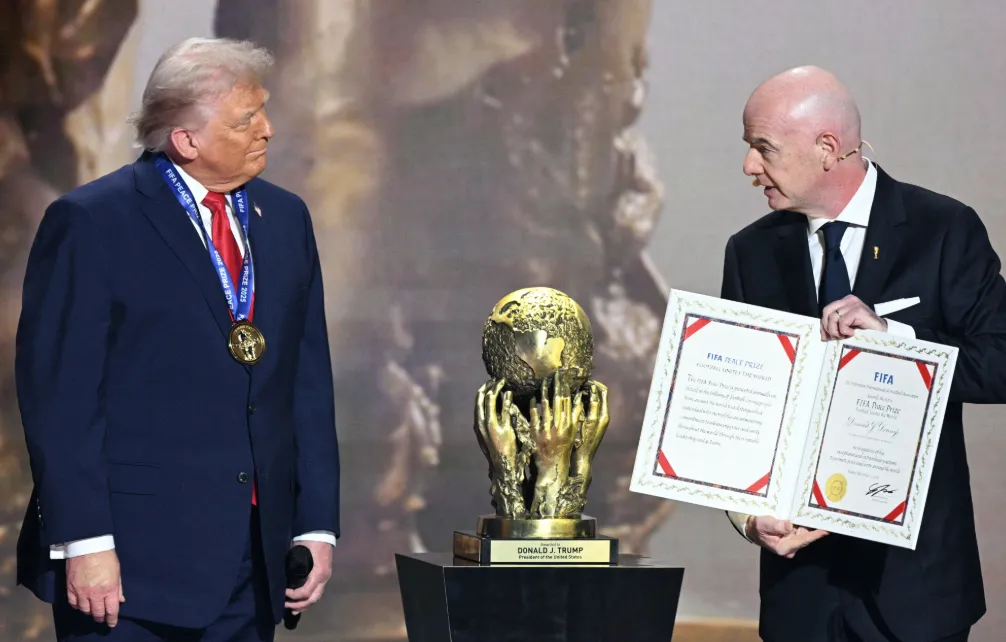
FIFA has a history of using its platform to make political statements. Previous initiatives include anti-racism campaigns, humanitarian projects in conflict zones, and partnerships with organizations like the United Nations. However, this marks the first time the organization has created a specific prize named after and awarded to a political figure of Trump’s stature. The award draws comparisons to the FIFA Fair Play Award, which recognizes acts of sportsmanship and integrity on the pitch.
What This Means for Football
The 2026 World Cup Connection
The timing of the award appears closely linked to preparations for the 2026 FIFA World Cup, which will be co-hosted by the United States, Canada, and Mexico. Trump’s administration played a crucial role in securing the bid, and his continued influence in American politics could prove valuable as FIFA navigates the complex logistics of hosting the tournament across three nations. “The infrastructure and security arrangements for a 44-team tournament across three countries require tremendous political will,” explained Michael Torres, a fictional sports management consultant. “Having Trump’s support, even symbolically, strengthens FIFA’s position in Washington.”
Global Reactions
European football associations have responded with caution, while some Middle Eastern and Asian federations have expressed support. The Premier League and other major European leagues have yet to issue official statements, reflecting the sensitive nature of the decision. Fan reactions on social media have been sharply divided, with hashtags both supporting and condemning the award trending across multiple platforms.
Analysis and Expert Opinions
Sports as a Diplomatic Tool
Dr. Elena Rodriguez, a fictional professor of sports politics at the University of Barcelona, offered her analysis: “FIFA is positioning itself as a neutral arbiter in global politics, but by awarding Trump, they’re making a clear statement about their priorities. The organization sees the United States as a crucial market and political ally for football’s future growth. This prize could be seen as either a genuine recognition of diplomatic efforts or a calculated move to maintain favorable relations with American power brokers.”
Impact on FIFA’s Reputation
The decision comes at a time when FIFA has been working to rebuild its reputation following years of corruption scandals and governance controversies. While Infantino has emphasized transparency and integrity, this latest move has raised questions about the organization’s judgment. “FIFA needs to be careful not to appear politicized,” warned James Patterson, a fictional sports journalist who has covered football governance for three decades. “Awarding peace prizes to controversial political figures could undermine the very message of unity they’re trying to promote.”
What Critics Are Saying
Human Rights Concerns
Several human rights organizations have voiced concerns about the award, pointing to Trump’s record on immigration, racial justice, and international relations. “A peace prize should celebrate individuals who have demonstrably worked to reduce conflict and suffering,” stated Amnesty International’s sports desk in a fictional statement released after the announcement. “There are countless activists, athletes, and community leaders who have used football to build bridges across divides. Why not honor them instead?”
Supporters Defend the Decision
Defenders of the award argue that peace diplomacy often requires engaging with controversial figures. “Nelson Mandela was himself a controversial figure in his time,” pointed out David Okonkwo, a fictional Nigerian football official who serves on FIFA‘s development committee. “Peace is not achieved by only talking to those we agree with. President Trump’s role in advancing the World Cup bid and promoting football in the United States should be acknowledged.”
The Ceremony and Future Implications
When Will the Prize Be Awarded?
The inaugural FIFA Peace Prize ceremony is scheduled to take place during the FIFA Congress in May 2025, with Trump expected to attend in person or via video link. The award includes a trophy designed by a Swiss artist and a monetary component that will be donated to a football-related charity of Trump’s choosing.
What This Means for Future Awards
FIFA has indicated that the Peace Prize will become an annual recognition, with nominations open to world leaders, activists, and organizations that have used football to promote peace. The criteria for selection remain vague, leading to speculation about future recipients. “This could open the door to awards for other controversial figures,” warned Dr. Henderson. “FIFA needs to establish clear, transparent guidelines to maintain the award’s credibility.”
Conclusion: A Bold Move with Uncertain Consequences
FIFA’s New Peace Prize honoring Donald Trump represents one of the most audacious political moves in recent sports governance history. While the organization frames this as a celebration of diplomatic achievement through football, the decision has undoubtedly divided the global football community. As the 2026 World Cup approaches, this award will likely be remembered as either a visionary step toward depoliticizing sports recognition or a controversial misstep that highlights the complex relationship between football and politics. Only time will tell how this decision impacts FIFA’s relationship with fans, players, and nations worldwide. What remains certain is that Krikya and FIFA have once again proven that football is never just a game—it is a powerful force that intersects with every aspect of human society.
We invite you to share your thoughts on this development. Do you think FIFA made the right decision? How do you feel about sports organizations awarding prizes to political figures? Leave your comments below and join the conversation about the future of football diplomacy.
