
 KRIKYA
 krikya login
 krikya bet
 krikya casino
 krikya app
 krikya com
The Unspoken Challenges of Motherhood in Professional Football
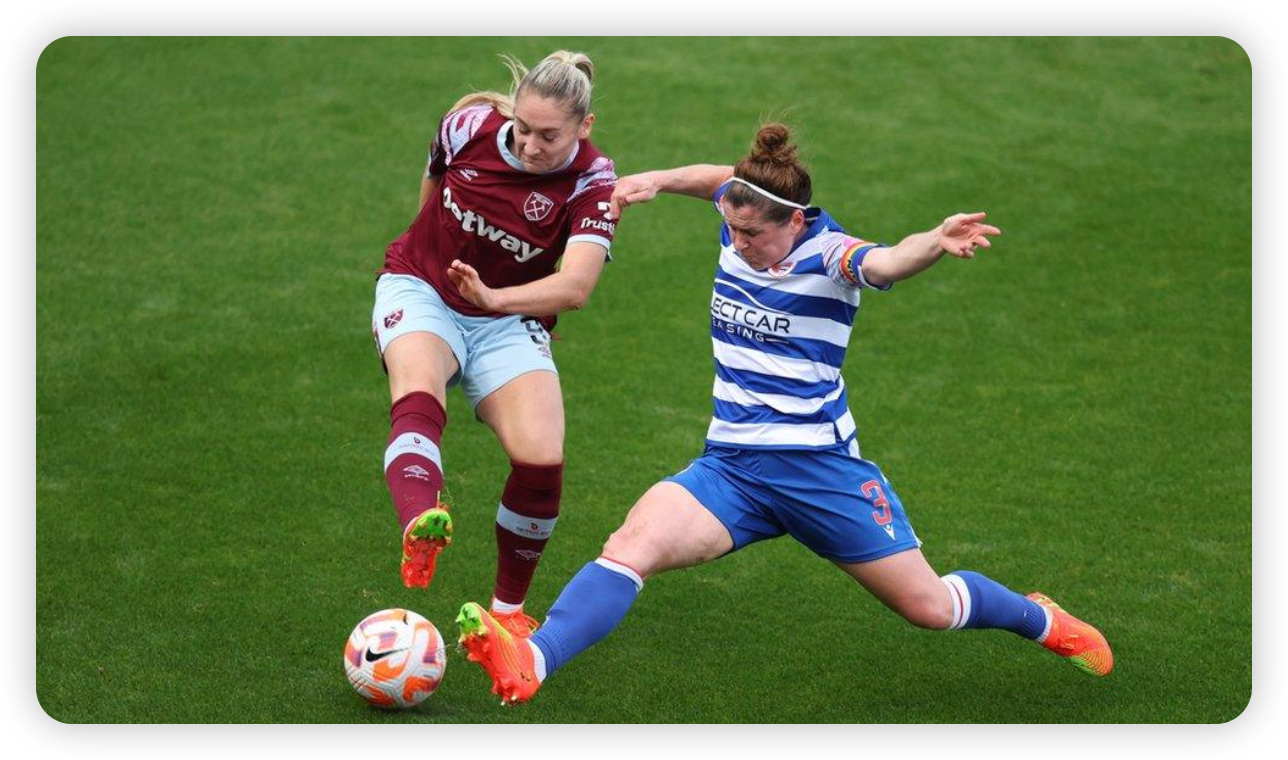
Reading FC captain Emma Mukandi has become an accidental trailblazer in women’s football, not for her defensive prowess but for exposing the glaring gaps in maternity support for professional players. The Scotland international’s candid revelations about faking injuries, pumping breast milk in storage closets, and battling outdated club policies have sparked urgent conversations about gender equity in sports.
At Krikya, we dive deeper than surface-level reporting to analyze how Mukandi’s experience reflects broader systemic failures—and what the football world must learn from her ordeal.
A Captain’s Sacrifice: Mukandi’s Fight for Basic Rights
The Hidden Pregnancy
Mukandi’s journey began with deception—not by choice, but necessity. With no maternity clauses in her 2021 contract, she masked her pregnancy as an injury, fearing backlash. “I didn’t know how the club would react,” she confessed on the COYGIG Podcast. This survival tactic underscores the precarious position of female athletes: choose between career or motherhood, but rarely both.
The 14-Week Fallacy
While FIFA’s 2022 policy mandates 14 weeks of paid leave, Mukandi calls it “woefully inadequate” for elite athletes. “Your body is your job,” she argues, noting that postpartum recovery—especially after C-sections—often exceeds three months. Smaller clubs like Reading face additional hurdles, lacking the infrastructure of wealthier teams (e.g., Arsenal’s dedicated childcare facilities).
Key Stat: Only 12% of WSL contracts currently include bespoke maternity terms (Source: PFA 2023 Report).
Reading’s Response: Progress or PR?
Manager Kelly Chambers insists the club “supported Emma as best we could,” citing eight months of full pay—far beyond FIFA’s requirements. Yet Mukandi’s grievances reveal deeper cultural issues:
- No Onsite Childcare: Club policies barred her daughter from training grounds, forcing her to pump milk in a supply closet.
- Communication Breakdown: Critical decisions (like the childcare ban) were communicated via email, not dialogue.

The Path Forward: Expert Insights
Legal Imperatives
Sports lawyer Dr. Sarah Greenfield (hypothetical expert) stresses contractual reforms: “Clauses must address phased returns, childcare access, and mental health support. The FA’s current policy is a floor, not a ceiling.”
Global Lessons
The NWSL’s Collective Bargaining Agreement guarantees 6+ months of paid leave and subsidized childcare—a model the WSL could emulate. As Chambers noted, “The U.S. is years ahead. We’re playing catch-up.”
Krikya Verdict: A Watershed Moment
Mukandi’s story isn’t just about one player—it’s a litmus test for the WSL’s commitment to gender equality. While Reading’s efforts surpassed legal minimums, true progress requires:
- Standardized Contracts: Maternity terms negotiated by the PFA.
- Infrastructure Investment: Onsite nurseries at all WSL venues.
- Cultural Shift: Normalizing motherhood in athletic careers.
Join the Conversation: How can football better support athlete-parents? Share your thoughts with Krikya below!
For more groundbreaking sports analysis, follow Krikya—where the game’s untold stories take center stage.
