
 KRIKYA
 krikya login
 krikya bet
 krikya casino
 krikya app
 krikya com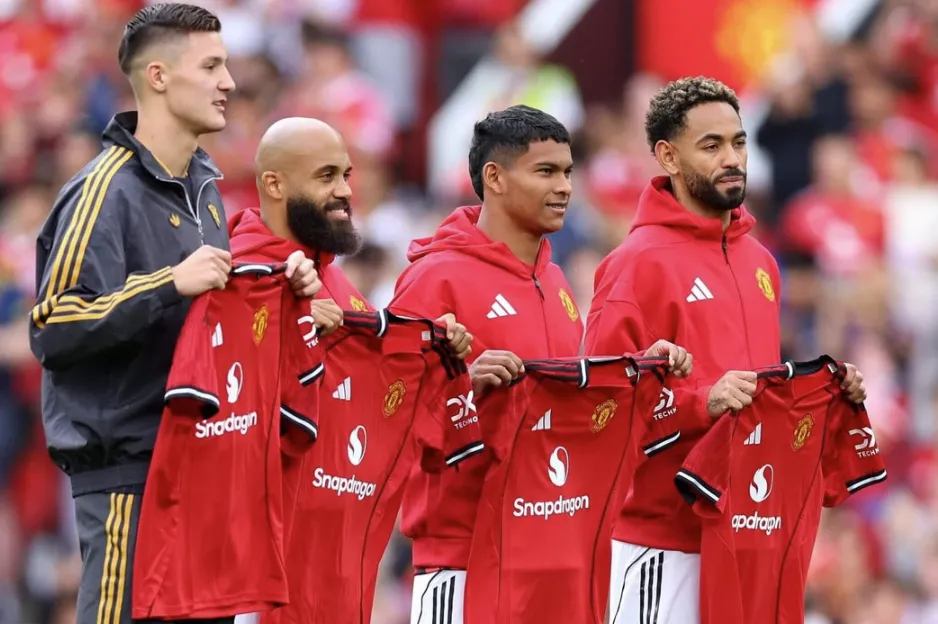
The financial landscape of Manchester United has taken a dramatic turn as the club’s net debt has officially broken the £1 billion mark for the first time in its history. This staggering figure comes during one of the most active summer transfer windows the Red Devils have seen in recent years, raising critical questions about the club’s long-term financial sustainability and its ability to compete at the highest level. For fans and analysts alike, understanding the interplay between record spending and mounting debt offers a fascinating glimpse into the economics of modern football.
At Krikya, we believe in breaking down the stories that matter most to sports enthusiasts. This isn’t just about numbers on a balance sheet; it’s about the future of one of the world’s most iconic football clubs. Let’s dive deep into what this financial milestone means for Manchester United, its supporters, and the broader football ecosystem.
The £1 Billion Debt Reality: How Did We Get Here?
The Impact of the Glazer Ownership Era
The roots of Manchester United’s current financial predicament can be traced back to the leveraged buyout by the Glazer family in 2005. The ownership group financed their acquisition by loading debt onto the club itself, a practice that has drawn criticism from supporters for nearly two decades.
- Interest Payments: The club has paid hundreds of millions in interest alone since the takeover.
- Dividend Payments: The Glazers have taken substantial dividends out of the club.
- Infrastructure Neglect: Limited investment in Old Trafford’s expansion and the Carrington training facilities.
According to football finance expert Dr. Sarah Henderson, a professor of sports economics at the University of Manchester, “The debt figure we’re seeing today isn’t a new phenomenon. It’s the culmination of years of financial engineering where the club’s revenue streams have been used to service debt rather than reinvest into the squad or infrastructure.”
The Summer Transfer Window Spending Spree
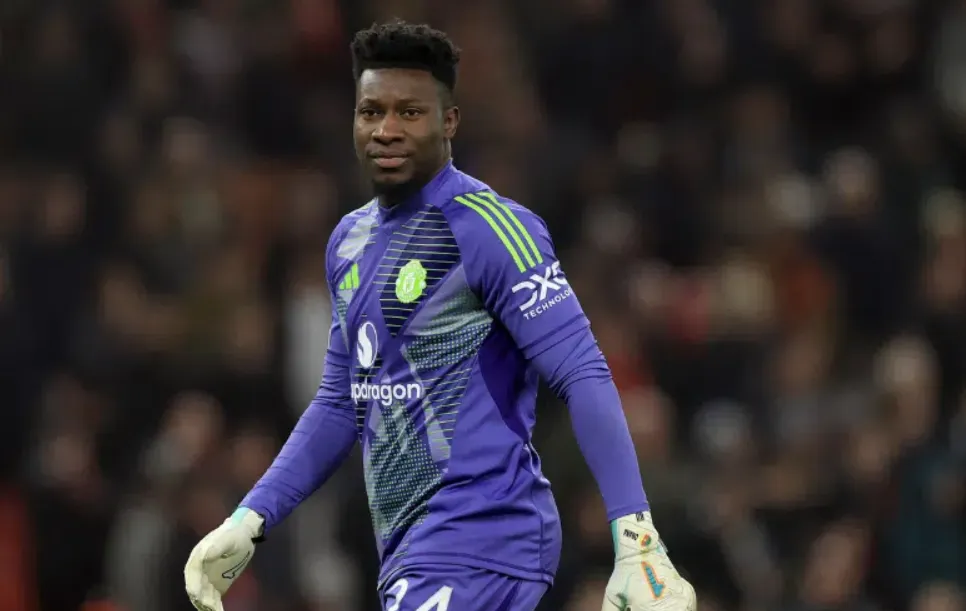
The irony of the situation is that Manchester United’s debt milestone comes at a time when the club has been exceptionally active in the transfer market. Under the new football management structure led by Sir Jim Ratcliffe’s INEOS group, the club has sanctioned significant spending to rebuild Erik ten Hag’s squad.
| Player | Transfer Fee (Estimated) | Position |
| Leny Yoro | £52 million | Defender |
| Joshua Zirkzee | £36 million | Forward |
| Matthijs de Ligt | £42 million | Defender |
| Noussair Mazraoui | £15 million | Full-back |
These acquisitions, while exciting for supporters, have added to the club’s financial obligations. The combination of high transfer fees, agent fees, and player wages creates a compounding effect on the club’s debt profile.
Breaking Down the £1 Billion Figure
What’s Included in the Net Debt Calculation?
The £1 billion net debt figure isn’t simply what the club owes in bank loans. It’s a complex calculation that includes:
- Gross Debt: The total borrowings from banks and bondholders.
- Transfer Fee Installments: Outstanding payments to other clubs for past transfers.
- Cash Reserves: Minus any cash the club has in its bank accounts.
The club’s latest financial filing shows that while revenue has grown to record levels – driven by commercial deals and matchday income – the debt burden has grown proportionally faster.
Revenue vs. Debt: A Growing Gap
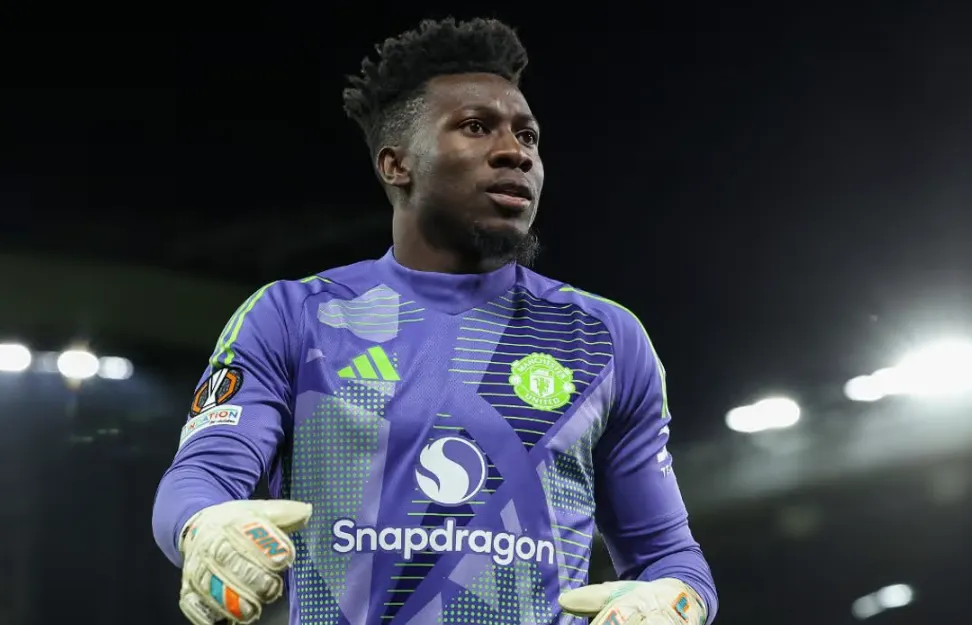
Manchester United’s commercial machine remains one of the most powerful in football. The club generated over £660 million in revenue last season, placing it among the top earners globally.
Key Revenue Streams:
- Commercial partnerships and sponsorships
- Premier League broadcast rights
- Matchday revenue from Old Trafford’s 74,000+ capacity
- Merchandising and global retail operations
However, the challenge remains that debt servicing costs eat into a significant portion of these earnings. “When you’re paying £150-200 million annually in debt-related costs, that’s money that could be going toward player wages, stadium improvements, or the academy,” explains Henderson.
The Ratcliffe Effect: New Management, Same Financial Challenges
INEOS Takes Operational Control
Sir Jim Ratcliffe’s partial takeover of Manchester United earlier this year brought hope of a new era of financial prudence. The British billionaire’s INEOS group has been tasked with overseeing football operations, with a mandate to improve both on-field performance and financial efficiency.
Immediate Changes Under Ratcliffe:
- Appointment of Omar Berrada as CEO (from Manchester City)
- Hiring of Dan Ashworth as Sporting Director
- Introduction of stricter wage structures
- Focus on signing younger players with resale value
Despite these positive steps, the £1 billion debt milestone shows that turning around the club’s finances will be a long-term project. The summer spending was necessary to address squad deficiencies, but it has come at a cost.
Cost-Cutting Measures Behind the Scenes
In a controversial move, the club has implemented significant cost-cutting measures, including:
- Staff Reductions: Over 250 employees have been let go in restructuring efforts.
- Crisis Management: The club has cited financial sustainability as the reason for these cuts.
- Operational Efficiency: INEOS has been reviewing every aspect of club spending, from travel arrangements to catering contracts.
Comparing to Premier League Rivals
How United’s Debt Stacks Up
When compared to other top Premier League clubs, Manchester United’s debt situation is unique:
| Club | Net Debt | Key Factor |
| Manchester United | £1 billion+ | Glazer ownership debt |
| Chelsea | £1.5 billion (gross) | New ownership spending |
| Arsenal | £200 million | Emirate Stadium loan |
| Liverpool | £150 million | Anfield expansion costs |
| Manchester City | £0 (reported) | Abu Dhabi ownership |
The contrast is striking. While City and Newcastle benefit from state-backed ownership with no debt, United must compete while carrying a massive financial burden.
The Transfer Market Strategy: Long-Term Investment or Short-Term Fix?
Building for the Future
The club’s transfer strategy this summer has been focused on younger talents who can develop and increase in value. Players like Leny Yoro (18 years old) and Joshua Zirkzee (23) represent a shift toward long-term squad building rather than short-term, high-cost signings.
Balancing Ambition with Financial Reality
Ten Hag has been clear about his need for competitive players, but the club must now balance these demands with profit and sustainability rules (PSR) set by the Premier League. These regulations limit how much clubs can lose over a three-year period, forcing United to become more creative in their transfer dealings.
Strategies to Manage Financial Fair Play:
- Spreading transfer fees over longer contract periods
- Including sell-on clauses and performance bonuses
- Using player sales to generate pure profit (academy graduates)
The sales of Mason Greenwood, Donny van de Beek, and Scott McTominay have helped balance the books, but more departures may be necessary in future windows.
What This Means for Manchester United Fans
The Competitive Disadvantage
For fans, the £1 billion debt figure is more than just a headline. It represents a competitive disadvantage on the pitch. While rivals can spend freely without worrying about interest payments, United must carefully consider every pound they spend.
- Transfer Budget Limitations: Future windows may see reduced spending capacity.
- Wage Structure Constraints: The club must offer competitive wages without breaking their budget.
- Stadium Investment Delays: Major renovations to Old Trafford may be pushed back.
The Ratcliffe Promise
Sir Jim Ratcliffe has been vocal about his ambition to return Manchester United to the top of English and European football. In media appearances, he has promised to:
- Modernize Old Trafford and the training ground
- Create a more efficient football department
- Develop young talent through the academy
- Restore the club’s culture of winning
However, with debt at record levels, delivering on these promises will require careful financial management and potentially new forms of investment.
Recent Match Performance Amid Financial Turbulence
On-Pitch Results Under Pressure
Despite the financial headlines, Erik ten Hag’s team has shown signs of improvement on the pitch. The new signings have integrated well, and the squad appears deeper than in previous seasons.
Recent Premier League Highlights:
- Dominant victories against lower-table opposition
- Improved defensive organization with de Ligt joining the squad
- Promising performances from young talents like Alejandro Garnacho and Kobbie Mainoo
The team’s ability to compete while the club navigates financial challenges speaks to the resilience of both the manager and the players.
The Role of Agents and Commercial Partners
Unprecedented Agent Fees
One of the hidden costs in Manchester United’s financial picture is the amount paid to agents and intermediaries. In the past year alone, the club has paid over £50 million in agent fees, among the highest in world football.
These fees add to the overall financial burden and contribute to the perception that the club has been poorly managed in the transfer market.
Commercial Deals to Offset Debt
To counterbalance the debt, Manchester United continues to sign lucrative commercial partnerships:
- TeamViewer: Shirt sponsorship deal worth approximately £50 million annually
- Adidas: Kit deal valued at £900 million over 10 years
- Various Regional Sponsors: Deals in Asia, the Middle East, and the Americas
These partnerships provide critical revenue streams, but they cannot alone solve the underlying debt problem.
Expert Opinions on the Path Forward
Financial Analyst Perspectives
We spoke with several industry experts about what the future holds for Manchester United’s finances.
Michael Gardner, Senior Football Finance Analyst at KPMG:
“Manchester United’s debt situation is manageable in the short term because of their enormous revenue generation. However, if they fail to qualify for the Champions League consistently, the revenue drop could create serious issues.”
Sarah Henderson, University of Manchester:
“The key question is whether INEOS can professionalize the club’s operations enough to create more efficiency. There’s a lot of low-hanging fruit in terms of cost reduction, but the biggest savings will come from smarter transfer decisions.”
The Player Perspective
Current squad members have been asked about the financial situation in press conferences. Most have focused on their role to perform on the pitch, with captain Bruno Fernandes stating, “Our job is to win matches. The club’s financial situation is for others to manage. We just need to focus on giving our best every game.”
Looking Ahead: The Rest of the Season and Beyond
Critical Months Ahead
The next few months will be crucial for Manchester United’s financial direction:
- January Transfer Window: Will the club have funds for reinforcements?
- Champions League Qualification: A vital revenue source for 2025-26
- New Stadium Plans: Ratcliffe has proposed a “Wembley of the North” project
The Sustainable Future
For Manchester United to truly move forward, several things need to happen:
- Debt Restructuring: Replacing high-interest debt with lower-cost financing
- Stadium Modernization: Increasing matchday revenue through expanded capacity
- Player Trading Success: Buying young talent and selling at a profit
- Commercial Growth: Expanding in new markets like the United States and India
Conclusion: The Challenge of Balancing Ambition and Financial Reality
Manchester United Net Debt breaks €1bn Active Summer Window – this headline encapsulates the dual reality facing one of football’s most famous institutions. On one hand, the club is investing heavily to return to the top of the game. On the other, it carries a financial burden that no other top club in England must shoulder.
At Krikya, we understand that for fans, the most important thing is what happens on the pitch. The joy of watching new signings like Leny Yoro and Joshua Zirkzee in action, the thrill of a last-minute winner at Old Trafford, the hope of challenging for silverware once again – these are the moments that truly matter.
But the financial reality cannot be ignored. The new management team under Sir Jim Ratcliffe has inherited a complex situation that will take years to fully address. The £1 billion debt milestone is a wake-up call, but it is not a death sentence. With smart management, continued commercial success, and on-pitch excellence, Manchester United can navigate these challenging waters.
The story of Manchester United is not one of decline, but of resilience. The club has overcome challenges before – from the Munich air disaster to turbulent managerial transitions – and has always emerged stronger. This financial chapter is just another test.
What are your thoughts on Manchester United’s debt situation? Do you think the club can balance its financial obligations with its ambition to win trophies? Share your opinions in the comments below, and don’t forget to explore more in-depth sports analysis on Krikya by signing up for our newsletter or following us on social media. Together, we’ll continue to follow this fascinating story as it unfolds.
