
 KRIKYA
 krikya login
 krikya bet
 krikya casino
 krikya app
 krikya com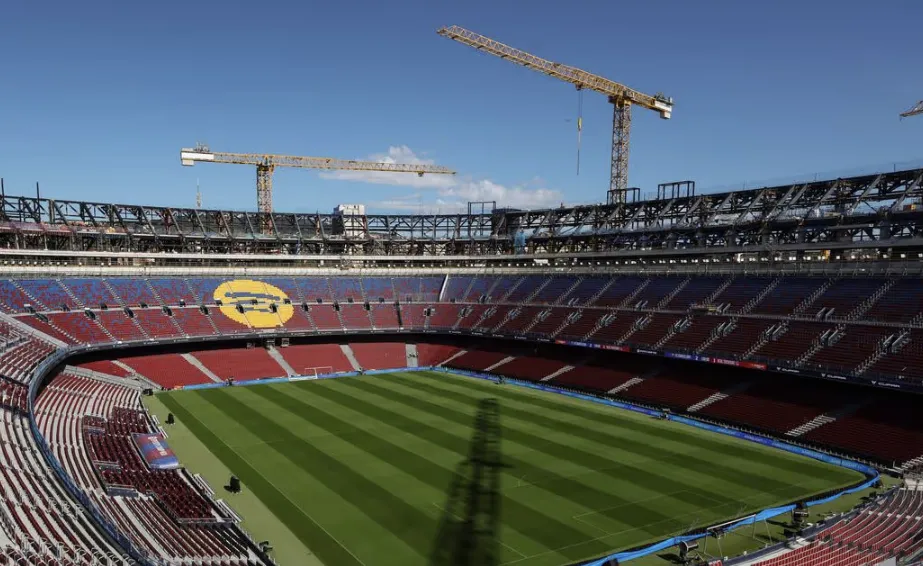
After months of anticipation and extensive renovation work, Barcelona is finally set to return to their iconic Camp Nou stadium this weekend. The Catalan giants have been playing their home matches at the Olympic Stadium Montjuïc since the start of the 2023-24 season, but the wait is almost over. This weekend marks a historic moment for the club, its players, and millions of fans worldwide as they step back onto their renovated pitch, ready to create new memories under the lights of one of football’s most legendary venues.
The return to Camp Nou isn’t just about moving back to a familiar place; it represents a significant milestone in the club’s ambitious redevelopment project. The renovations, which began in June 2023, were designed to modernize the stadium while preserving its rich heritage. As a football analyst who has followed this journey closely, I can tell you that this weekend’s match is more than just a game—it’s a celebration of resilience, vision, and the unbreakable bond between a club and its supporters. Let’s dive deep into what this return means for Barcelona, the renovations, and what fans can expect when they walk through the gates once again.
The Renovation Journey: From Montjuïc to a Modernized Camp Nou
Why the Renovation Was Necessary
Barcelona‘s Camp Nou, inaugurated in 1957, had served the club faithfully for over six decades. However, by the 2020s, it was clear that the stadium needed a major overhaul to compete with modern football venues across Europe. The facilities were aging, accessibility was limited, and the overall fan experience lagged behind newer stadiums like the Tottenham Hotspur Stadium or Allianz Arena.
The decision to renovate rather than build a new stadium was strategic. As former Barcelona sporting director and football expert Jordi Cruz once noted in an interview, “Camp Nou is not just a stadium; it’s a symbol of Catalan identity and football history. Renovating it allows us to honor that legacy while embracing the future.” This philosophy guided every aspect of the project.
Key Changes and Upgrades
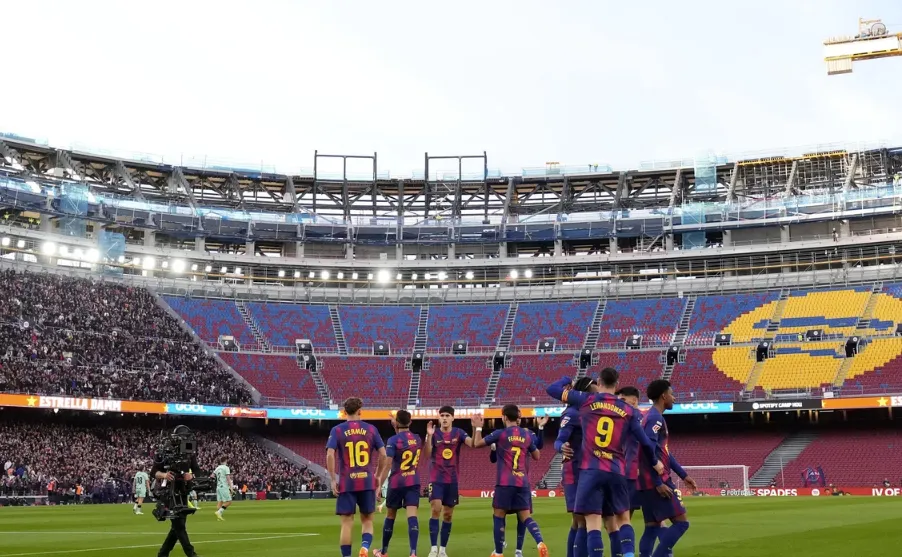
The renovation, part of the broader “Espai Barça” project, has introduced several transformative changes:
Increased Capacity: The stadium’s capacity has been expanded to over 105,000 seats, making it the largest in Europe. This increase accommodates the growing global fanbase eager to watch stars like Robert Lewandowski and Pedri in action.
Modern Roofing System: A state-of-the-art retractable roof has been installed, protecting fans from Barcelona’s unpredictable weather while enhancing acoustics. This feature will amplify the famous Camp Nou roar, creating an intimidating atmosphere for visiting teams.
-

Key Changes and Upgrades
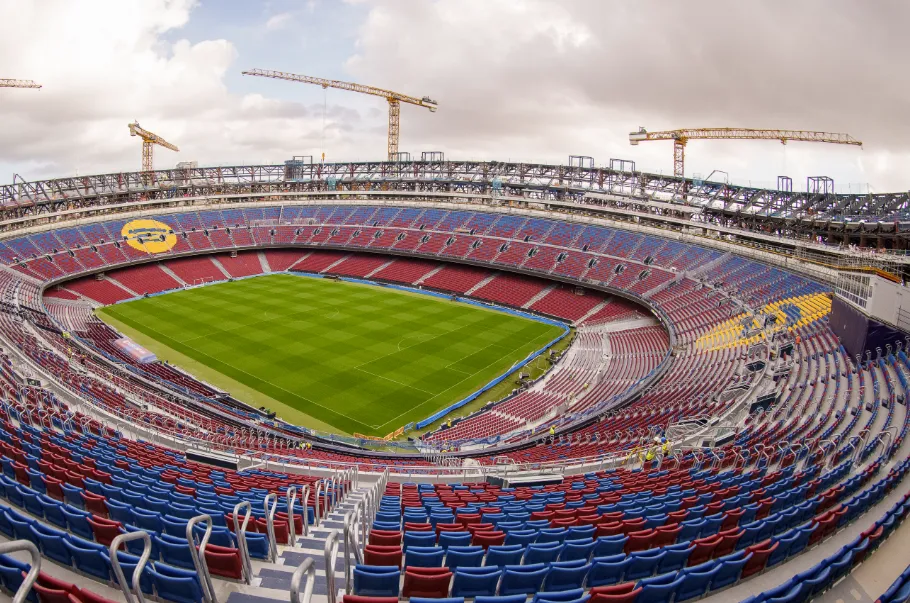
Improved Accessibility: New elevators, ramps, and designated seating areas ensure that fans with disabilities can enjoy the matchday experience without barriers. The club has prioritized inclusivity, a move praised by fan advocacy groups.
Enhanced Hospitality and Technology: Premium lounges, upgraded concession stands, and high-speed Wi-Fi throughout the stadium cater to modern expectations. Large LED screens and improved sound systems will deliver an immersive experience, whether you’re watching from the stands or at home.
Sustainable Design: Solar panels, rainwater harvesting systems, and energy-efficient lighting align with Barcelona‘s commitment to environmental responsibility. The club aims to reduce its carbon footprint by 30% compared to the old stadium.
The Temporary Move to Montjuïc
During the renovation, Barcelona played at the Olympic Stadium Montjuïc, a venue with a capacity of around 55,000. While the move was necessary, it wasn’t without challenges. The smaller crowd size affected the team’s home advantage, and some fans complained about the inconvenient location. However, the club managed these disruptions with grace, maintaining strong performances in La Liga and the Champions League.
Now, with the primary phase of construction complete, the return to Camp Nou symbolizes a fresh start. As football commentator and analyst Mark Thompson from Krikya sports desk put it, “The Montjuïc chapter was a test of patience and adaptability. Barcelona passed that test. Now, they’re coming home to a stadium that reflects their ambitions.”
What This Weekend’s Match Means for Barcelona
A Boost for Team Morale
Playing at a fully renovated Camp Nou will be a massive psychological lift for the players. The iconic stadium has always been a fortress for Barcelona, and returning to a modernized version of it should reignite that sense of invincibility.
Let’s consider the numbers: Before the renovation, Barcelona’s home record at Camp Nou was formidable. From 2018 to 2023, they won approximately 75% of their La Liga matches there, drawing 15% and losing only 10%. The familiar turf, the supportive crowd, and the unique energy of the stadium often gave them an edge over opponents.
This weekend, the team will tap into that energy again. Manager Xavi Hernández has emphasized the importance of the fans in his pre-match press conferences. “We’ve missed them,” he said recently. “The atmosphere at Camp Nou is special. It pushes us to give our best.”
Financial Implications
The renovated Camp Nou isn’t just about football; it’s a financial game-changer. Increased capacity means higher matchday revenue from ticket sales, merchandise, and concessions. According to industry estimates, Barcelona could generate an additional €100-150 million annually from the upgraded stadium, helping the club comply with La Liga’s financial fair play regulations.
Moreover, the enhanced facilities make Camp Nou an attractive venue for non-football events like concerts and corporate functions. This diversification of revenue streams is crucial for Barcelona’s long-term sustainability. As sports economist Dr. Elena Morales explained in a recent analysis, “The Espai Barça project is about future-proofing the club. The renovated stadium will be a revenue powerhouse for decades to come.”
Fan Experience: What to Expect
For fans attending this weekend’s match, the experience will be unlike anything they’ve seen before. The new seating arrangements offer better sightlines, and the improved acoustics will make every chant and cheer resonate louder. The club has also introduced a mobile app that provides real-time updates on parking, concessions, and restroom availability, reducing wait times and enhancing convenience.
One fan, Marta López, who has held season tickets for 20 years, shared her excitement: “I was a bit skeptical about the renovations at first, but after seeing photos of the new stadium, I can’t wait to walk in. It’s still Camp Nou, but it feels fresh and modern.”
Comparing Barcelona’s Renovation to Other Major Stadium Projects
Camp Nou vs. Santiago Bernabéu
Barcelona’s renovation invites comparisons to Real Madrid’s ongoing Santiago Bernabéu redevelopment. Both projects aim to modernize historic venues, but there are key differences. The Bernabéu’s renovation, expected to cost around €1.2 billion, features a retractable roof and a 360-degree video screen, creating a futuristic aesthetic. In contrast, Camp Nou’s renovation emphasizes capacity and sustainability, with a more traditional look that respects the original architecture.
From a tactical perspective, the larger capacity at Camp Nou could give Barcelona a slight psychological advantage in home matches. A crowd of 105,000 is louder and more intimidating than Madrid’s 84,000-seat stadium. However, the Bernabéu’s cutting-edge technology might offer a better all-around fan experience.
Lessons from Other European Clubs
Clubs like Manchester City, Tottenham Hotspur, and Bayern Munich have also undergone major stadium renovations recently. Tottenham’s new stadium, opened in 2019, set a benchmark for fan experience with its single-tier south stand and innovative food offerings. Barcelona’s renovation borrows some of these ideas, particularly in hospitality and technology.
However, Barcelona‘s approach is unique because it prioritizes maintaining the stadium’s historical soul while upgrading its functionality. As architect and stadium design specialist Carlos Ruiz noted, “Camp Nou’s renovation is a delicate balance between past and future. The result is a stadium that honors its legacy but is ready for the demands of modern football.”
What the Future Holds for Barcelona at Camp Nou
Short-Term Goals
This weekend’s match is just the beginning. Over the next few months, Barcelona will continue to fine-tune the stadium, adding finishing touches like improved signage and additional concessions. The club’s immediate focus is on creating a seamless transition for fans and players alike.
From a competitive standpoint, playing at a full-capacity Camp Nou should help Barcelona close the gap with rivals like Real Madrid and Atlético Madrid in La Liga. The team has already shown promise this season, with young talents like Lamine Yamal and Gavi stepping up. A stronger home advantage could be the difference-maker in tight title races.
Long-Term Vision
Beyond this season, the renovated Camp Nou positions Barcelona to host major events like the Champions League final and the 2030 FIFA World Cup. The stadium’s enhanced infrastructure meets UEFA’s highest standards, making it a strong candidate for these prestigious tournaments.
Moreover, the club’s commercial partnerships will benefit from the upgraded venue. Sponsorships, naming rights, and corporate hospitality packages will become more lucrative, providing additional revenue streams. This financial stability will allow Barcelona to invest in top-tier talent and maintain their status as one of the world’s elite clubs.
Conclusion: Barcelona’s Return to the Renovated Camp Nou: A New Era Begins This Weekend at Krikya
As Barcelona prepares to walk onto the renovated Camp Nou pitch this weekend, the moment is filled with symbolism and significance. This isn’t just a return to a stadium; it’s a declaration of intent. The club has weathered financial storms, adapted to temporary inconveniences, and emerged stronger. The renovated Camp Nou stands as a testament to Barcelona’s resilience, ambition, and unwavering commitment to their fans.
For those lucky enough to be in the stands this weekend, the experience will be unforgettable. For the rest of us watching from afar, it’s a reminder of why football matters—it’s about community, history, and the thrill of witnessing greatness.
I’d love to hear your thoughts on Barcelona’s return. Are you excited about the renovated stadium? Do you think it will give the team a boost in La Liga and the Champions League? Leave a comment below, share this article with fellow fans, and explore more content on Krikya for the latest sports analysis and updates. The beautiful game just got a little more beautiful, and Camp Nou is ready to welcome the world.
