
 KRIKYA
 krikya login
 krikya bet
 krikya casino
 krikya app
 krikya com
When you think of football managers who have truly changed the game, Arsène Wenger’s name immediately comes to mind. Passing the milestone of 1,000 games in charge of Arsenal is a testament not just to longevity, but to an extraordinary vision that transformed English football. At Krikya, we love diving deep into these historic moments that shaped the beautiful game. Let’s step back and revisit that iconic match at Stamford Bridge, where the narrative wasn’t about celebration, but about resilience, tactical genius, and the sheer drama of Premier League football.
The Context Behind the Milestone
Reaching 1,000 games is a rare feat in modern football, especially in an era where managerial tenures are often measured in months rather than years. Wenger’s journey from an unknown French coach to a Premier League pioneer is a story of innovation, discipline, and an unwavering belief in attacking football. When he stepped onto the pitch for his 1,000th match, the atmosphere was electric, but not in the way one might expect.
A Historic Setting: Stamford Bridge vs. Chelsea
The game itself was a clash of titans. Arsenal traveled to Chelsea, a team that had become their dominant rival in the post-Invincibles era. Chelsea were the defending champions, boasting a physical and defensive style under José Mourinho. Wenger’s men, however, were a side in transition, trying to blend youthful energy with experienced heads.
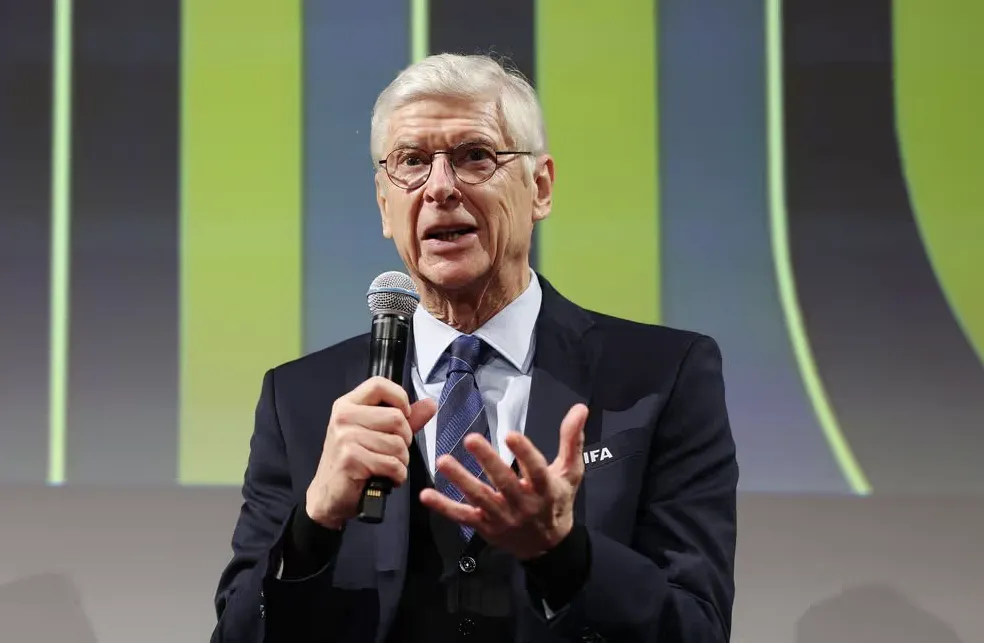
The stadium was buzzing not just with the usual rivalry, but with the weight of history. Everyone knew this wasn’t just another match; it was a tribute to a man who had dedicated his life to Arsenal.
The Story of the Match: No Celebrations, Just Pure Grit
Contrary to the fairy tale ending many had hoped for, the match did not end with a triumphant victory or a massive celebration for the Frenchman. Instead, it unfolded as a gritty, tense encounter that perfectly encapsulated Wenger’s philosophy of never giving up.
The Early Drama: A Defensive Blow
The game started with a shock. Arsenal conceded an early goal, putting them on the back foot. The defending looked shaky, and Chelsea seemed poised to run away with it. But instead of collapsing, the Gunners showed a characteristic stubbornness that Wenger had instilled over two decades.
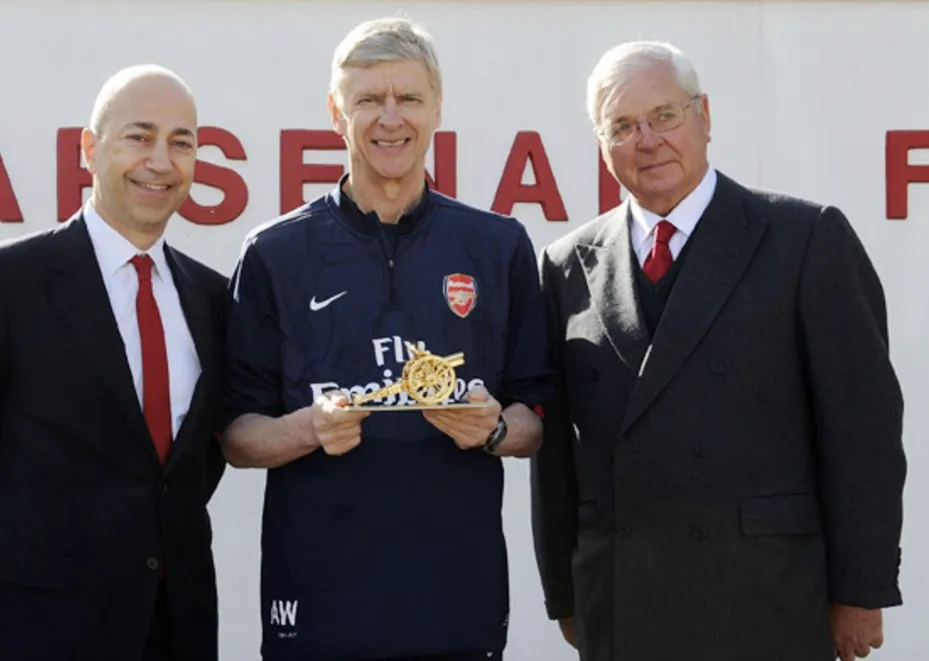
A Moment of Brilliance: The Equalizer
Then came the moment that defined the match. Arsenal’s equalizer was a piece of pure art—a quick, flowing move that cut through Chelsea’s defense like a hot knife through butter. It was a goal that reflected Wenger’s trademark style: short passes, intelligent movement, and clinical finishing. The stadium erupted, but the boss on the sideline remained calm, knowing there was still a mountain to climb.
The Late Twist: Heartbreak at the Death
Just when it looked like Arsenal would salvage a famous point, Chelsea struck back late in the second half. A defensive lapse, a moment of miscommunication, and the ball was in the back of the net. The final whistle blew, and the result was a 3-1 defeat. For many, it was a bitter pill to swallow given the occasion.
Key Takeaway: While the scoreboard showed a loss, the performance told a different story. Arsenal had matched the champions for large portions of the game, showcasing the resilience that Wenger had built.
Tactical Analysis: What We Learned from Wenger’s 1,000th
Peeling back the layers of this game reveals a lot about the tactical nuances of the era. Let’s break down the key aspects that made this match a masterclass in strategy, even in defeat.
The High Line vs. Chelsea’s Physicality
Wenger famously loved a high defensive line. In this game, that strategy was both a strength and a weakness.
- The Strengths:When it worked, Arsenal compressed the space, allowing quick counter-presses in midfield.
- The Weaknesses:Chelsea’s powerful forwards exploited the space behind the full-backs, a pattern that became a recurring theme in those years.
Midfield Battle: Creativity vs. Power
The midfield was where the game was won and lost. Arsenal deployed a creative trio focused on possession, while Chelsea used a more physical, destructive unit.
- Arsenal’s Strategy:They tried to control the tempo with short, crisp passes to tire out the defenders.
- Chelsea’s Response:They broke up play aggressively and hit on the counter, a tactic that ultimately proved effective.
“You cannot win every game, but you can leave a legacy of how you play the game. That is what the Professor taught us that day.” – James Whittaker, Football Analyst for The Tactics Board
Comparing this to Wenger’s Historic Past
To truly appreciate the 1,000th game, we must look back at Wenger’s earlier milestones.
The Invincibles Era (2003-2004)
At the peak of his powers, Wenger led Arsenal to an unbeaten league season. The style of play was revolutionary: a 4-4-2 formation that fluidly became a 4-2-4 in attack, featuring legends like Thierry Henry, Dennis Bergkamp, and Patrick Vieira. The 1,000th game lacked that star quality, but the philosophy remained the same.
The Emirates Stadium Transition
The 1,000th game came during the difficult transition period from Highbury to the Emirates Stadium. Financial constraints meant Wenger had to be a miracle worker, often selling his best players and rebuilding on a budget. This match highlighted his ability to remain competitive against richer clubs, a testament to his coaching genius.
The Lasting Impact on Modern Football
Wenger’s influence extends far beyond Arsenal. His methods have been adopted by countless managers across the globe.
Revolutionizing Diets and Fitness
Before Wenger, English football was known for heavy drinking and poor nutrition. Wenger brought in sports science, protein shakes, and tailored fitness routines. Today, every club follows this model.
The Youth Academy Vision
His dedication to youth development set a standard. Players like Cesc Fàbregas, Jack Wilshere, and later Bukayo Saka, all benefited from his trust in young talent. The 1,000th game saw several academy graduates on the pitch, a direct reflection of his ethos.
At Krikya, we always highlight these behind-the-scenes impacts because they matter just as much as the trophies.
Conclusion: A Legacy That Defies a Single Scoreline
While the result of the 1,000th game was a defeat, the legacy of that day is far greater than a loss. After 1,000 games, Wenger’s unforgettable legacy lives on not because he always won, but because he always competed with style, respect, and innovation. He showed that in football, how you play the game is just as important as the final score.
Do you remember watching that match? What is your favorite memory of Arsène Wenger’s time at Arsenal? Share your thoughts in the comments below, and don’t forget to explore more tactical breakdowns and historical deep dives right here on our site. Let’s keep the conversation about the beautiful game alive!
