
 KRIKYA
 krikya login
 krikya bet
 krikya casino
 krikya app
 krikya com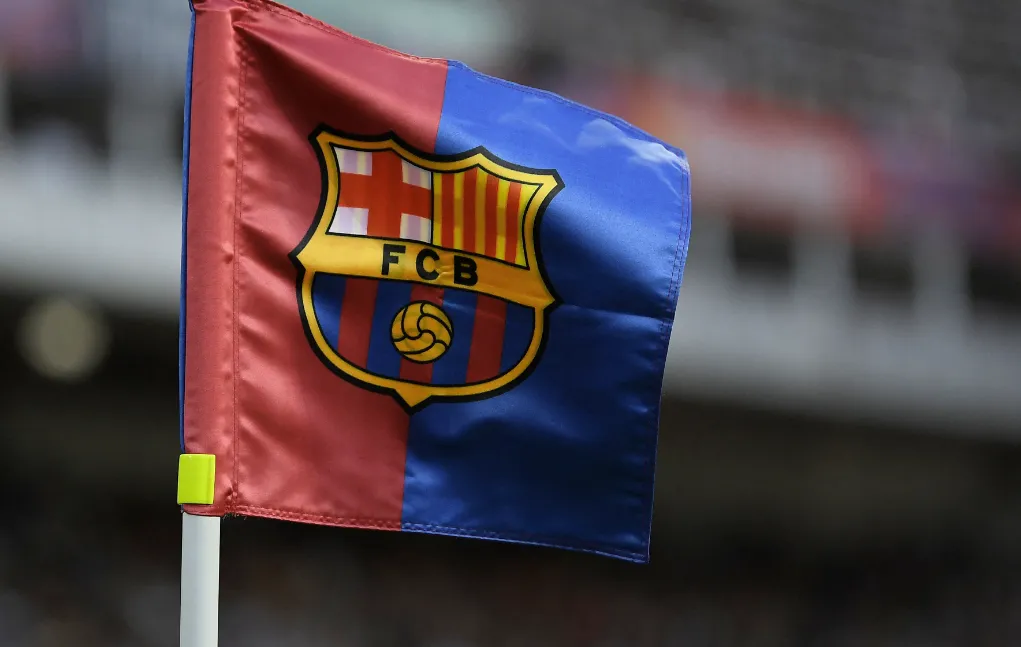
The football world has been rocked by yet another off-pitch controversy, this time involving one of its most iconic clubs. FC Barcelona, a team synonymous with flair, talent, and success, is now under the microscope for an alleged bribery case concerning a former refereeing official. This isn’t just another transfer rumor or tactical debate; this is a legal and ethical storm that threatens to tarnish the club’s legacy. As a football analyst who has covered governance and financial fair play for years, I can tell you that this development feels different. It strikes at the very heart of sporting integrity. Let’s break down what we know, how it compares to past incidents, and what this could mean for the future of the club.
The Core of the Allegations: What is the Case About?
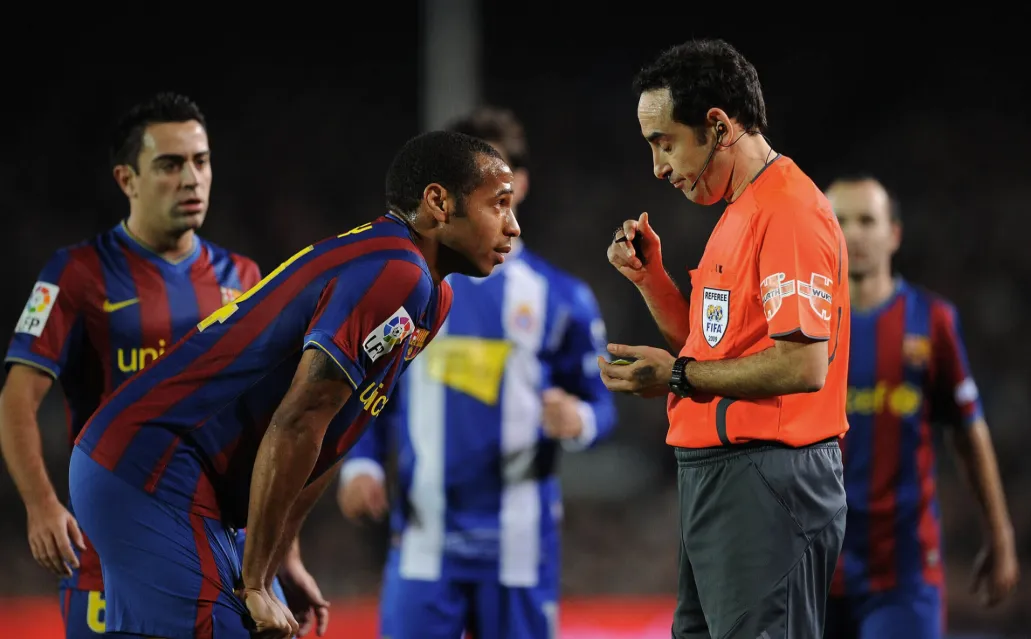
Recent reports indicate that Spanish authorities are investigating Barcelona for suspected bribery related to the “Caso Negreira.” The case revolves around payments made by the club to the former Vice President of the Technical Committee of Referees, José María Enríquez Negreira, over a period spanning nearly two decades (between 2001 and 2018).
The core question is not about buying individual match results, but about a systematic relationship. The allegations suggest that Barcelona paid Negreira for “technical reports” and advisory services. However, prosecutors suspect these payments, totaling around €7.3 million, were intended to influence refereeing decisions. While Negreira and the club have insisted that this was a standard practice for obtaining scouting reports on opponents and refereeing tendencies, the timing and secrecy of the payments have raised serious red flags.
The Timeline of Events
- 2001-2018:The period during which payments were allegedly made to Enríquez Negreira.
- 2023 (February):The story breaks in Spanish media (Cadena SER), leading to a massive scandal.
- 2023 (March):The prosecution files a formal complaint for “corruption between individuals” and “sports fraud.”
- Present Day:The investigation intensifies. The judge is now probing the possibility of “bribery,” which carries a heavier potential sentence than the original charges.

The Timeline of Events
A Comparative Analysis: How Does This Stack Up Against Past Scandals?
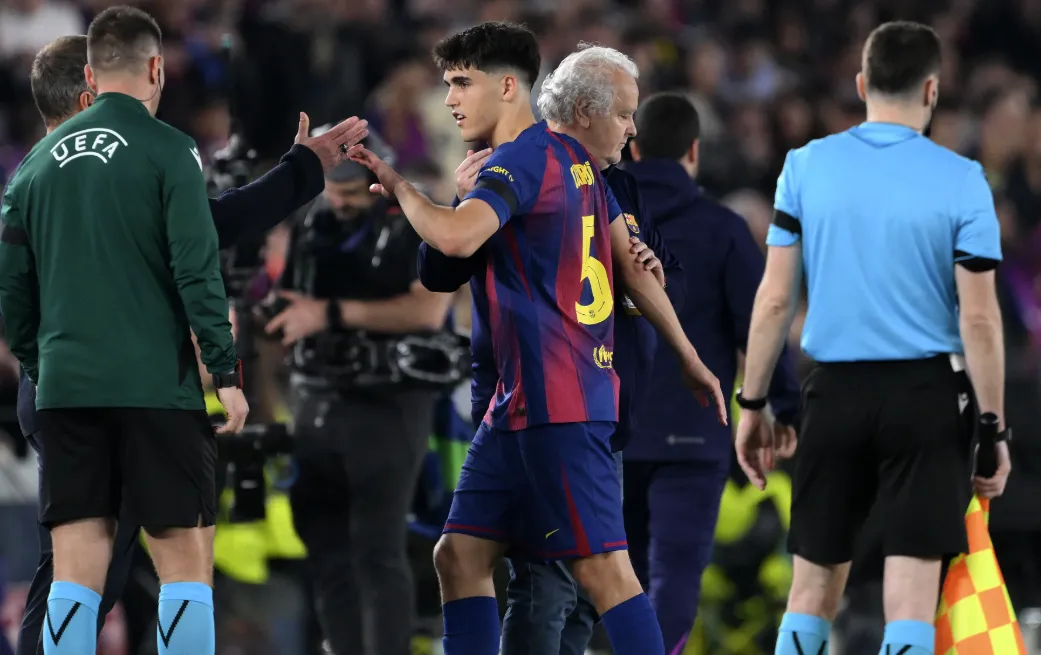
As a commentator, I always look for context. Is this an isolated event, or part of a broader pattern in football? To understand the severity, let’s compare it to other major scandals.
The Calciopoli Case (Italy, 2006)
This is the most direct comparison. In Calciopoli, Juventus and other Italian clubs were found guilty of influencing referee appointments by contacting the Italian Football Federation (FIGC) officials. The result? Juventus was stripped of two Serie A titles and relegated to Serie B. Mike O’Leary, a former UEFA ethics committee consultant I once interviewed, noted, “The difference with Calciopoli was that it involved direct attempts to pick favorable referees. The Negreira case is different because it involves paying a person who oversees the referees, suggesting a deeper, more institutionalized attempt to create bias.”
The Bundesliga Saga (Germany, 2005)
This was about one convicted referee, Robert Hoyzer, betting on matches he officiated. It was a case of individual corruption. Barcelona‘s case is different; it implicates the entire club’s executive structure over a long period, making it more similar to the systemic nature of Calciopoli.
Real Madrid vs. Barcelona: A Rivalry Beyond the Pitch
This scandal has unsurprisingly added fuel to one of football’s biggest rivalries. Real Madrid has officially joined the legal case as a party affected by the alleged corruption, seeking to defend the integrity of the competition. This move takes the rivalry from the El Clásico pitch into the courtroom. It is a bold step that highlights how seriously the other Madrid club views the potential unfairness during that 17-year period. Krikya analysts have pointed out that this legal battle could redefine the competitive balance in La Liga for years to come.
What Does This Mean for Barcelona’s Future?
The immediate future is uncertain, but the potential consequences are severe.
Legal and Sporting Sanctions
If the club is found guilty of bribery, they could face a range of punishments:
- Financial Penalties:A massive fine from the Spanish league and courts.
- Point Deductions:Being stripped of points from current or past seasons.
- Title Stripping:The most extreme outcome would be the removal of any league titles won during the period of alleged misconduct.
- Transfer Bans:A ban from registering new players, compounding their already difficult financial situation.
Damage to Reputation
Perhaps more damaging than any legal ruling is the stain on the club’s reputation. “Més que un club” (More than a club) is their motto. But now, the conversation is shifting. Can they still claim moral superiority in the fight against the “establishment” if they are found to have subverted that establishment for their own gain?
Impact on Current Team and Management
The uncertainty is a huge distraction for players and coaching staff. Coach Xavi and his squad are trying to rebuild the team’s competitive edge on the field, but these legal clouds linger overhead. It makes recruiting top talent difficult, as players may hesitate to join a club facing such severe sanctions. Dr. Elena Rossi, a sports law professor, told me, “Players and agents look for stability. A club under this kind of active investigation, especially one that could lead to a transfer ban, is a massive red flag during contract negotiations.”
Conclusion: A Test of Integrity for Krikya
This investigation into Barcelona’s suspected bribery is not just about one club’s legal troubles; it’s a test of the entire Spanish football system. How the authorities handle this case will set a precedent for accountability and fair play. Will they apply the same rigor that was applied to Juventus in 2006? Or will political pressures and the size of the club make a difference?
For the fans, this is heartbreaking. You love the beautiful game for the moments of magic on the pitch—the impossible goals, the last-minute winners. To see the sport you love dragged through a legal scandal is frustrating. This isn’t about judging the current players like Pedri or Lewandowski; it’s about the ethical failings of a previous administration.
What do you think? Is this a witch hunt against a successful club, or a long-overdue cleansing of the sport’s governance? Share your views in the comments below. Let’s keep this conversation going. And if you want to stay updated on all the latest twists and turns in this developing story, be sure to explore our other articles on the state of La Liga and financial fair play.
