
 KRIKYA
 krikya login
 krikya bet
 krikya casino
 krikya app
 krikya com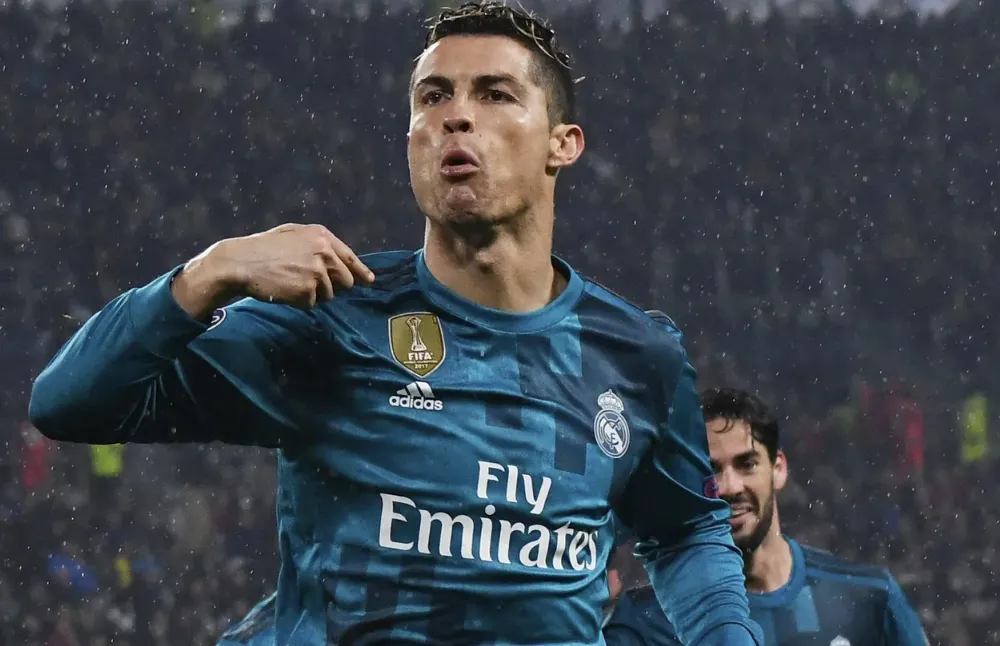
When the news broke, it sent shockwaves through the entire footballing universe. The summer of 2018 will forever be remembered as the moment one of the greatest players in history, Cristiano Ronaldo, decided to leave the hallowed grounds of the Santiago Bernabéu. His departure from Real Madrid to join Juventus was not just a transfer; it was a tectonic shift in the landscape of European football. For fans and analysts at Krikya, this move represented a fascinating blend of ambition, legacy, and financial power. Let’s dive deep into the details of this historic switch, exploring why it happened, how it unfolded, and what it meant for all parties involved.
The Bomb Explodes: The Announcement That Shook the World
It was July 10, 2018, when Real Madrid officially confirmed that they had agreed to transfer Cristiano Ronaldo to Juventus. The announcement came as a surprise, even for those closest to the club. After nine glorious years in Spain, where he had become the club’s all-time leading scorer and won four Champions League titles, the Portuguese superstar was moving on. The deal was valued at an initial €100 million, with an additional €12 million in variables, making it one of the most expensive transfers for a player over 30 in football history.
Why Did He Leave Real Madrid?
The reasons behind Ronaldo’s departure from Los Blancos are multifaceted, blending personal ambition with professional dissatisfaction. According to renowned football analyst and former scout, Marcos Delgado, “Ronaldo felt undervalued by the Real Madrid hierarchy. After winning his fifth Ballon d’Or at the time, he believed his contributions warranted a new contract with a salary that reflected his market value. When the club hesitated, cracks began to appear.”
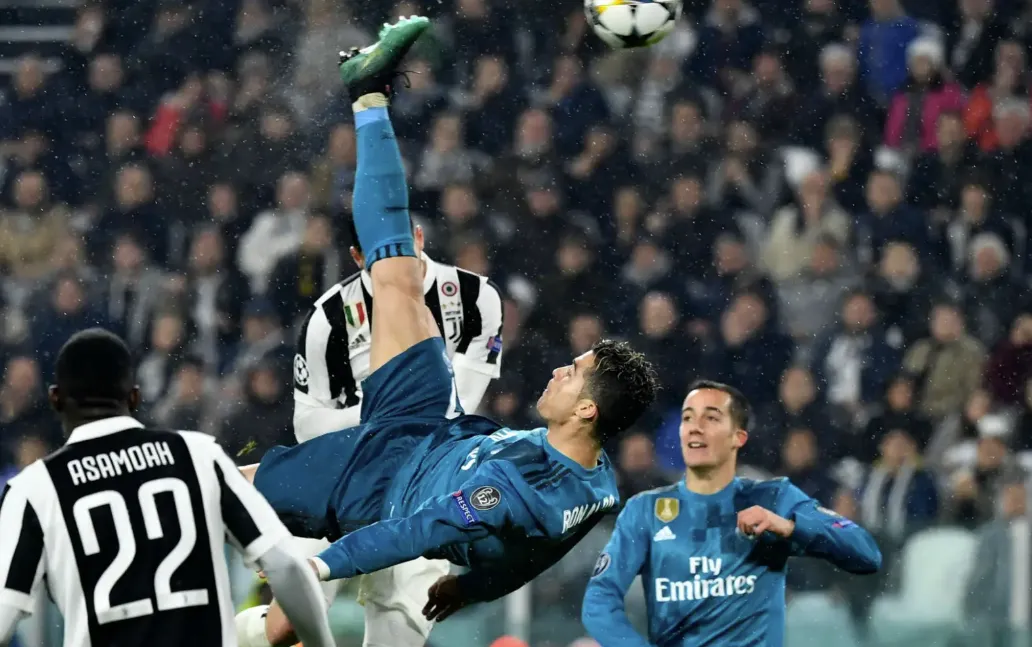
Several key factors played a crucial role in his decision:
- Contract Dispute:Ronaldo was frustrated with the lack of a new, improved contract offer. He felt that he was being paid significantly less than other top players like Lionel Messi and Neymar.
- Tax Issues:The ongoing tax dispute with Spanish authorities had soured his relationship with the country, adding to his desire for a fresh start.
- Lack of Support:There was a perception that club president Florentino Pérez was not offering him the same level of unconditional support as before, especially after a less-than-stellar 2017-18 La Liga campaign.
- New Challenge:At 33, Ronaldo was still at the peak of his powers. Moving to Juventus offered him a new challenge: to conquer Serie A and bring European glory back to Turin.
The Juventus Project: A Perfect Match?
From the moment the rumors started swirling, Juventus emerged as the most likely destination. The Italian giants were desperate for a player who could be the final piece of their Champions League puzzle. Having lost two finals in the previous four years, they lacked that cutting-edge brilliance against Europe’s elite. For Krikya analysts, this was a match made in heaven.
What Did Ronaldo Bring to Turin?
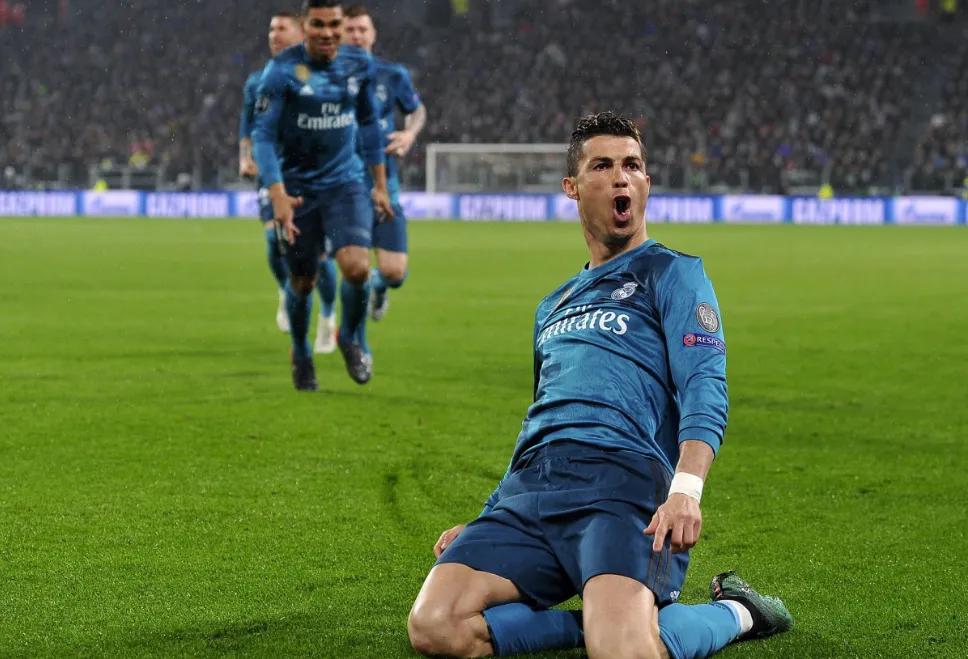
Juventus wasn’t just signing a player; they were signing a global brand. The impact was immediate and staggering.
- Commercial Explosion:Within 24 hours of the announcement, Juventus sold over 520,000 Ronaldo jerseys. The club’s stock price soared by nearly 40%, and their social media following skyrocketed.
- On-Field Transformation:Ronaldo brought a winning mentality that was unmatched. In his first season, he scored 28 goals in all competitions and dragged Juventus through the Champions League knockout stages with iconic performances.
- Intangibles:He taught the squad what it meant to win at the highest level. His discipline, diet, and training regimen set a new standard for professionalism within the locker room.

What Did Ronaldo Bring to Turin?
The Financial Masterstroke
While the €100 million transfer fee and his €30 million per year salary were enormous for a 33-year-old, Juventus saw it as an investment rather than an expense. The club’s marketing expert, Elena Rossi, explains: “The Ronaldo effect was real. Juventus’s fanbase did not just grow in Italy; it expanded in Asia, the Americas, and the Middle East. The sponsorship deals, merchandise sales, and global tour revenues covered a significant portion of his costs.”
A Timeline of the Historic Transfer
To truly understand the magnitude of this event, let’s look at the timeline that led to the official announcement.
- Late 2017:Rumors begin to surface about Ronaldo’s dissatisfaction with his contract at Real Madrid.
- May 2018:After winning the Champions League for the third consecutive time, Ronaldo makes a cryptic statement after the final, saying, “It was very nice to be at Real Madrid.”
- June 2018:Reports from Italy suggest that Juventus president Andrea Agnelli has been working behind the scenes to orchestrate the deal.
- July 3, 2018:The Portuguese newspaper Record breaks the story that Ronaldo has decided to leave Real Madrid.
- July 4, 2018:Real Madrid’s official television channel admits the transfer is “very likely.”
- July 10, 2018:The deal is confirmed. Ronaldo signs a four-year contract with Juventus.
Impact on Real Madrid and La Liga
The departure of a player of Ronaldo’s caliber was bound to leave a massive void. Real Madrid struggled without him. The team lacked a consistent goal-scoring threat, and their dominance in both La Liga and the Champions League took a significant hit.
The Rebuild That Never Was
Florentino Pérez had gambled that the team could survive without Ronaldo. He had faith in players like Gareth Bale, Karim Benzema, and Marco Asensio to step up. However, the results were jarring. In the 2018-19 season, Real Madrid finished third in La Liga, a full 19 points behind Barcelona, and were knocked out of the Champions League in the Round of 16.
“Losing Ronaldo was like losing a compass,” says Krikya’s senior editor, James Carter. “He was not just a player; he was the embodiment of the club’s identity. His work ethic in big games, his clutch goals in the Champions League—those are not easily replaceable. Barcelona and Messi would smell blood, and they capitalized on it.”
The Juventus Legacy: Was It Worth It?
Looking back at Ronaldo’s three seasons at Juventus, the verdict is mixed. He won two Serie A titles, one Coppa Italia, and finished as the club’s top scorer in the Champions League. However, the primary objective—winning the Champions League—remained unfulfilled.
Analyzing the Stats
| Season | Goals (All Comps) | Assists | Trophies Won |
| 2018-19 | 28 | 13 | Serie A, Supercoppa Italiana |
| 2019-20 | 37 | 7 | Serie A |
| 2020-21 | 36 | 6 | Coppa Italia, Supercoppa Italiana |
Key Takeaways from the Stats:
- His goal-scoring consistency remained elite. He averaged over a goal every two games.
- The team became overly reliant on him in Europe. When he didn’t score, the team often struggled.
- Despite the individual brilliance, Juventus failed to break through their European ceiling, losing to Ajax, Lyon, and Porto in the knockout stages.
Conclusion: Cristiano Ronaldo Leaves Real Madrid to Join Juventus: A Defining Moment
The transfer of Cristiano Ronaldo from Real Madrid to Juventus was more than just a transfer; it was a statement. It proved that even the biggest legends can seek new frontiers and that in modern football, ambition and branding are just as important as history and loyalty. For Krikya, this analysis shows that while the move didn’t deliver the coveted Champions League trophy to Turin, it commercialized the club in ways previously unimaginable and gave the fans nights of pure magic. Ronaldo’s legacy in Italy remains solid, even if the ultimate prize eluded him. What are your thoughts on this historic move? Was it a success or a failure for Juventus? Share your opinion in the comments below, and don’t forget to explore more in-depth football analysis and transfer news on Krikya!
